Saskatchewan Rules for a Side-by-Side Driver
Riding a side-by-side (UTV) in Saskatchewan can feel like navigating a maze of conflicting information and unwritten rules, leaving many drivers confused about what's actually legal and what could land them a hefty fine. This comprehensive guide is here to cut through the confusion, providing clear, practical advice on the specific regulations governing side-by-side operation on Saskatchewan's roads, ditches, and trails, ensuring you can ride safely and legally.
The Basics of Operating a Side-by-Side in Saskatchewan
When you hit the trails, fields, or even the shoulder of a grid road in Saskatchewan with your side-by-side, it's easy to assume the rules are either non-existent or just a general guideline. But that couldn't be further from the truth. The province has specific regulations under The All Terrain Vehicles Act that govern how and by whom these machines can be operated. Understanding these foundational rules is crucial, not just for avoiding tickets, but for your safety and the safety of everyone around you.
Driver's Licence and Age Requirements
One of the most fundamental questions drivers have is, "Do I need a driver's licence to operate a side-by-side?" The answer is a resounding yes for anyone operating a side-by-side on any public land, including ditches, Crown land, or where municipal bylaws allow. You must hold a valid driver's licence from Saskatchewan or any other jurisdiction. This isn't just about showing you know how to operate a vehicle; it's about demonstrating you understand traffic laws and responsible driving behaviour. Driving without one isn't just a minor infraction; it can lead to significant penalties, including fines and potential vehicle impoundment.
Beyond having a licence, age is another critical factor. Generally, the Act states that no one under the age of 16 can operate a side-by-side. However, like many rules, there are exceptions. A person who is at least 12 years old, but under 16, can operate a side-by-side if they are under the direct supervision of an adult who holds a valid driver's licence and has held that licence for at least 365 days. Alternatively, if a rider between 12 and 16 has successfully completed a prescribed ATV safety course approved by the Administrator, they can also operate the machine. This supervisor rule, sometimes called [Saskatchewan's 365-Day Supervisor Rule], highlights the importance placed on experienced guidance for younger riders. It's a provision designed to foster safe riding habits from an early age, ensuring that new riders learn the ropes from someone knowledgeable.
For example, imagine a 14-year-old wanting to ride the family side-by-side to help with chores on the farm. If they haven't taken an approved safety course, a parent or guardian who has held their licence for over a year must be riding with them, or at least be in a position to directly supervise. This isn't just about being in the same field; it means actively observing and instructing the younger rider. The onus is on the adult supervisor to ensure the youth is operating the machine safely and legally. Ignoring these age and supervision rules is a common mistake that can lead to serious consequences, not just for the young rider but for the supervising adult or owner as well.
Helmet and Eye Protection Mandates
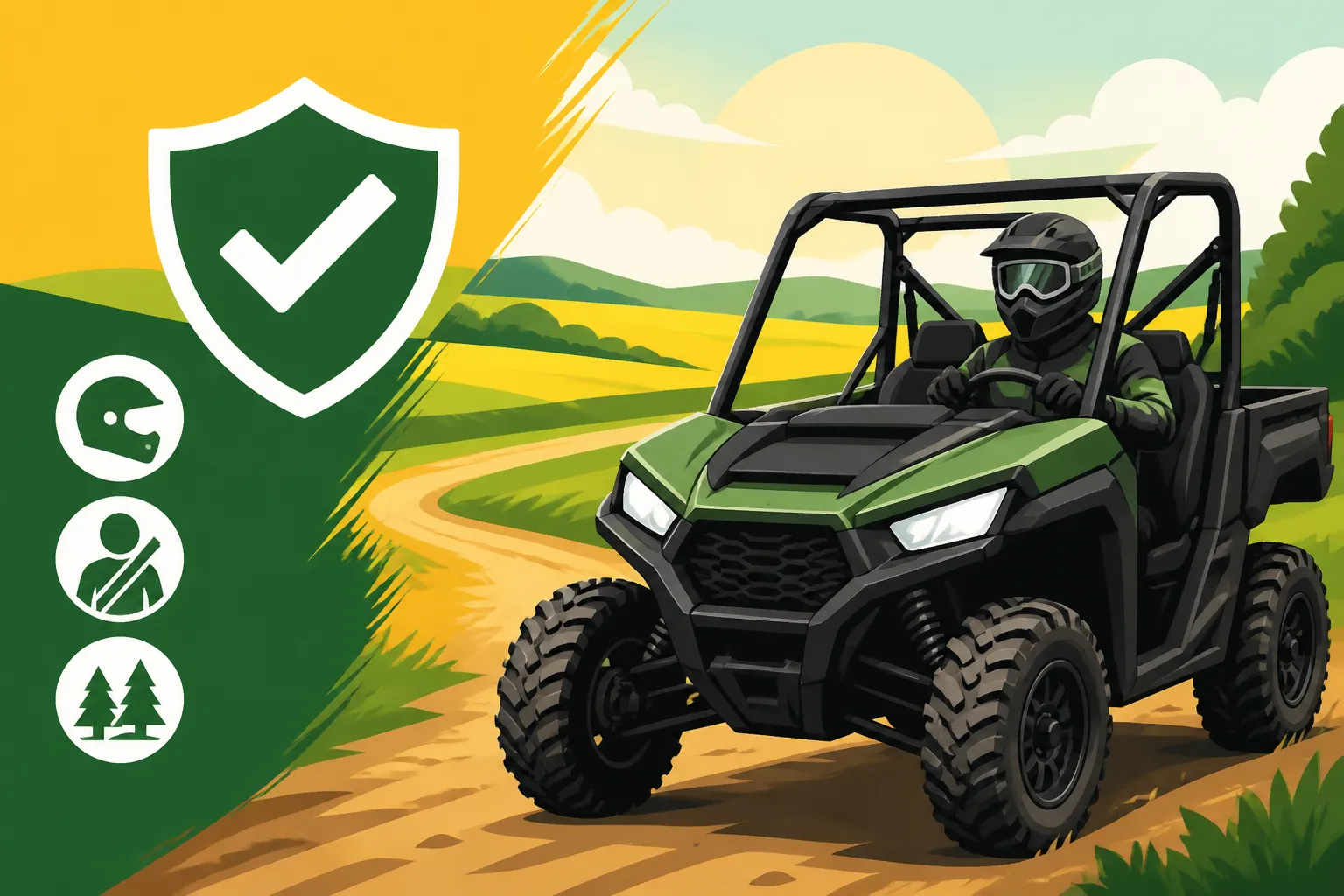
Saskatchewan takes helmet and eye protection very seriously for side-by-side operators. It's not a suggestion; it's a legal requirement designed to protect riders from head injuries, which are tragically common in off-road accidents. Every person operating or riding on a side-by-side must wear a helmet that meets specific safety standards. These standards are typically recognized certifications like DOT (U.S. Department of Transportation), ECE (Economic Commission for Europe), or Snell. You can usually find a sticker inside your helmet indicating its certification. Just grabbing any old helmet isn't enough; it needs to be designed for motor vehicle use and properly fastened. This is a rule that [Saskatchewan ATV Helmet Law] reinforces strongly.
In addition to helmets, appropriate eye protection is mandatory. This means wearing goggles or a face shield that is shatter-resistant. Dust, bugs, branches, and debris are constant hazards when riding, and impact to the eyes can quickly lead to an accident or permanent injury. While many modern side-by-sides have windshields, a windshield alone doesn't always count as sufficient eye protection, especially if it's open-air or doesn't fully protect from side impacts. If you're riding after dark, tinted visors or goggles are prohibited; you need clear eye protection to ensure maximum visibility.
Think of a typical fall ride along a gravel road. The dust kicked up by other vehicles or even your own machine can be blinding. Without proper goggles, your vision is impaired, increasing your risk of an accident. Similarly, venturing into treed areas without a certified helmet and robust eye protection is a recipe for disaster. A low-hanging branch or an unexpected bump could easily turn a fun day into a medical emergency. Many riders opt for full-face helmets designed for off-road use, which combine both helmet and face shield protection, offering comprehensive safety and peace of mind. Investing in quality protective gear is truly an investment in your safety and enjoyment of the sport.
Insurance: Your Non-Negotiable Requirement
Unlike the registration system for snowmobiles, which often bundles some insurance, Saskatchewan's rules for ATVs and side-by-sides mean you're directly responsible for securing adequate insurance coverage. This is a critical point that many new owners overlook. If you're going to operate your side-by-side anywhere other than purely private land (and even then, it's a good idea), you are legally required to have at least the minimum amount of third-party liability insurance. The Act specifies a minimum coverage of $200,000 for liability. This isn't just for your benefit; it's for the protection of others in case you're involved in an accident that causes injury or property damage. [Saskatchewan ATV Insurance Requirements] are designed to prevent catastrophic financial burdens from falling on innocent parties.
How do you get this insurance? You'll typically need to purchase a standalone ATV policy through a private insurance broker. This policy will cover your liability, and you can also add optional coverages like collision, comprehensive, and theft, which are highly recommended given the value of most side-by-sides. When an officer pulls you over, whether it's on a grid road, a provincial park trail, or elsewhere, they have the right to ask for proof of insurance. Not being able to produce it can result in significant fines and potentially having your machine seized. It’s imperative to carry proof of insurance with you every time you ride, whether it's a physical card or a digital copy on your phone.
Consider a scenario where you're riding on a gravel grid road, and an unexpected patch of loose gravel causes you to lose control, veering into a fence line, or worse, hitting another vehicle. Without insurance, the costs to repair the fence, the other vehicle, or pay for medical expenses could be astronomical, potentially bankrupting you. That minimum $200,000 liability coverage suddenly seems like a small price to pay for such protection. Many riders choose to get even higher liability limits for greater peace of mind. It’s also wise to check if your existing home or auto insurance policies offer any incidental coverage for your side-by-side, but generally, a dedicated off-road vehicle policy is the safest and most comprehensive option.
Where You Can (and Can't) Ride Your Side-by-Side
One of the biggest sources of confusion for side-by-side owners in Saskatchewan revolves around where they can actually ride their machines. Saskatchewan is a vast province, with a mix of Crown land, private property, grid roads, and municipal areas, each with its own set of rules and nuances. It's not a free-for-all, and understanding these boundaries is key to enjoying your side-by-side without legal trouble.
Navigating Ditch Riding and Grid Roads
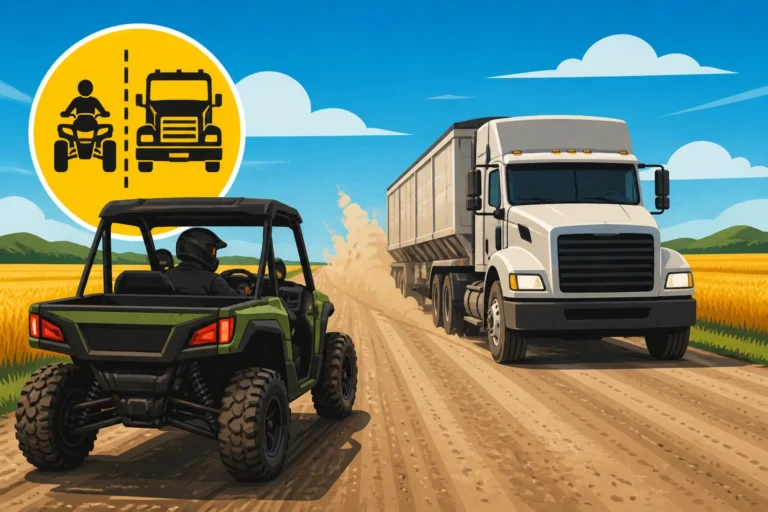
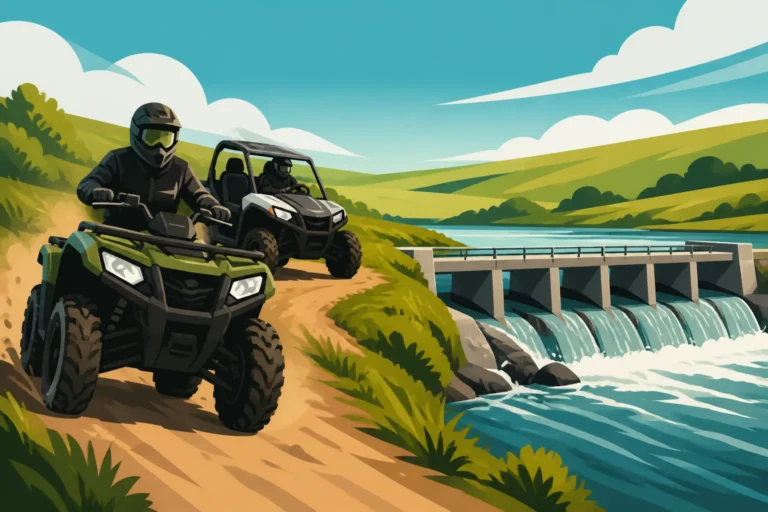
Many Saskatchewan riders utilize the extensive network of grid roads and their adjacent ditches for travel or access to trails and fields. While it might seem like common practice, there are very specific rules governing this. Generally, side-by-sides are permitted to operate in the ditch of a public highway, but they must remain a minimum of two metres from the travelled portion of the highway. This "two-metre rule" is crucial for safety, creating a buffer between your slower-moving machine and faster highway traffic. [Saskatchewan Ditch Riding and the 2-Metre Rule] is a rule you should always remember.
Riding directly on the travelled portion of a highway is almost universally prohibited, with very few exceptions. Grid roads, which are typically gravel, also fall under this highway definition. While you might see local farmers using their UTVs on a grid road, this is often done under specific agricultural exemptions or local bylaws that may or may not apply to recreational riding. The maximum speed limit for a side-by-side when operating in a ditch or on an approved roadway is 80 km/h, but this is a maximum, not a target. Always adjust your speed to conditions, visibility, and your skill level. [Saskatchewan's 80 km/h Speed Limit] is a ceiling, not a floor.
It's also vital to be aware that municipalities (Rural Municipalities, towns, and villages) have the authority to create their own bylaws that can further restrict or prohibit side-by-side use on roads, ditches, or even within their corporate limits. What's legal in one RM might be strictly forbidden in the next. Always check with the local municipal office or their website before riding in an unfamiliar area. A good example is a popular lake resort community that might ban side-by-sides from certain streets or beaches to manage noise and congestion. Disregarding these local rules, even unknowingly, can lead to fines.
Crossing Highways and Other Roadways
Sometimes, riding your side-by-side means you absolutely have to cross a paved highway or a busy grid road to get from one section of land to another. The Act recognizes this necessity but provides strict guidelines to ensure it's done as safely as possible. When crossing a highway, you must always come to a complete stop before entering the travelled portion. This allows you to check for traffic in both directions thoroughly. Furthermore, the crossing must be made by the shortest and most direct route possible, at a right angle to the highway, and without delay. You're not allowed to drive along the highway; it's a straight-across movement only.
Here's another important detail: if your side-by-side has passengers, they must dismount before you cross the highway and wait on the shoulder until the machine has safely crossed. Once you're safely on the other side, they can remount. This rule, known as [Saskatchewan Crossings Require Passengers to Dismount], significantly reduces risk by ensuring passengers are not exposed to traffic while the operator focuses on the crossing. It might seem inconvenient, especially with a full side-by-side, but it's a critical safety measure designed to minimize the time people are exposed to potential hazards.
Additionally, certain structures are off-limits for side-by-sides. You generally cannot operate a side-by-side on bridges, overpasses, or underpasses of a highway. There may be specific exemptions for accessing certain points, but as a general rule, assume these are prohibited. Always look for signage, and when in doubt, it's better to avoid the area or seek an alternative route. Navigating these crossing rules correctly is a significant part of responsible side-by-side operation and helps maintain a positive image for all riders.
Crown Land, Private Land, and Municipal Bylaws
Saskatchewan has vast tracts of Crown land, offering incredible opportunities for outdoor recreation. However, riding a side-by-side on Crown land isn't always open season. Many areas of Crown land, especially those designated for specific uses like ecological reserves, provincial parks, or certain wildlife habitat lands, may have restrictions or outright prohibitions on side-by-side use. [Saskatchewan Rules for Riding Crown Land] are not uniform across the province. It's crucial to check with the relevant provincial ministry (like the Ministry of Environment) or land management authority before heading out. Some areas may require permits, or only allow riding on designated trails, particularly within provincial parks like Moose Mountain or Narrow Hills.
For private land, the rule is simple: you must have explicit permission from the landowner before riding your side-by-side. Trespassing laws apply, and riding on someone's fields, pastures, or woodlots without consent is illegal and can lead to fines and legal action. This includes leased land, such as grazing leases; permission must come from the leaseholder. It's always a good idea to get this permission in writing, especially if you plan to ride regularly. Building good relationships with landowners is essential for maintaining access to riding areas. This is covered more in depth in [Saskatchewan Private Land Permission].
As mentioned earlier, municipal bylaws play a huge role in local access. A town might prohibit side-by-side riding on all streets, while a rural municipality might allow it on specific grid roads or within certain speed limits. Some municipalities, particularly resort villages, have even implemented their own permit or plate schemes to manage ATV and UTV traffic within their boundaries, like the District of Lakeland. While the province does not register ATVs or side-by-sides, these local schemes are an exception to that rule, and it's something you'll want to investigate if you plan to ride in specific communities. Always conduct a quick search for "[Saskatchewan Municipalities With ATV Bylaws]" before you travel to ensure you're compliant.
Essential Equipment and Safe Operation Practices
Owning a side-by-side is more than just having a powerful machine; it's about being prepared and operating it responsibly. The regulations in Saskatchewan extend beyond just where and who can ride, diving into the critical details of what your machine needs to have, and how you should operate it, to ensure everyone's safety. Cutting corners on equipment or safe practices isn't just risky; it can be illegal.
Lighting, Seatbelts, and Other Machine Requirements
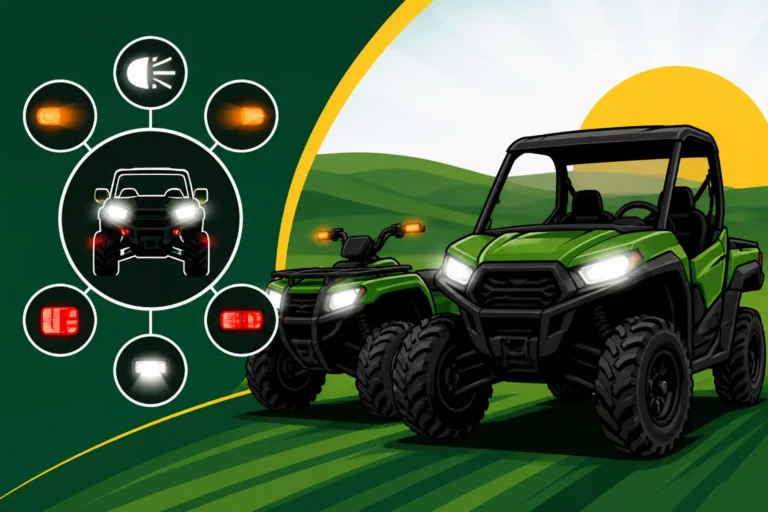
Just like any other vehicle that might encounter public areas, side-by-sides in Saskatchewan have specific equipment requirements, especially for visibility. If you plan on riding your side-by-side at night, or at any time when visibility is limited, it must be equipped with at least one headlight that emits a white light and one taillight that emits a red light, both visible from a specified distance. These lights are critical for making sure you can see where you're going and, more importantly, that other people can see you. Many aftermarket accessories, perhaps from a brand like SuperATV, offer enhanced lighting solutions, like LED light bars, that can significantly improve your visibility and safety after dark, far exceeding the basic legal requirements.
Beyond lighting, seatbelts are a non-negotiable safety feature on side-by-sides designed to carry passengers. If your machine comes equipped with seatbelts from the manufacturer, they must be worn by all occupants. This isn't just a suggestion; it’s a direct response to the dynamics of side-by-side riding, where rollovers or sudden stops can eject unbelted occupants. Always ensure all passengers are securely buckled in before you start moving. The integrity of your machine's frame and roll-over protection structure (ROPS) is also paramount. Any modifications should be done professionally and ensure they don't compromise the original safety design of the vehicle.
Furthermore, your side-by-side must be in good mechanical condition. This includes working brakes, a functional exhaust system (with a spark arrestor for fire prevention, especially when riding on Crown land or during dry conditions), and tires that are appropriate for the terrain and not excessively worn. These regular checks are not just about the law; they are about preventing breakdowns far from civilization and ensuring the machine performs safely when you need it most. Before every ride, take a few minutes to walk around your machine and check the basics.
Carrying Passengers and Cargo Safely
Side-by-sides are often designed to carry multiple passengers, making them popular for group outings or family adventures. However, the Act is very clear about how passengers must be carried: a side-by-side can only carry the number of passengers for which it was specifically designed and equipped by the manufacturer. This means if your machine has two seats and two seatbelts, you can only carry one passenger. Trying to squeeze extra people onto a machine not designed for them is incredibly dangerous, significantly alters the machine's balance and handling, and is illegal.
For example, a common sight is a two-seater side-by-side with three people crammed in. While this might seem harmless for a short, slow ride, in an emergency braking situation or if the machine suddenly swerves, the unseated or unbelted person is at severe risk of falling out or being crushed. Always adhere to the manufacturer's recommendations for seating capacity. Many manufacturers produce four-seat or even six-seat side-by-sides specifically to accommodate larger groups, eliminating the temptation to overload a smaller machine.
When it comes to cargo, securing it properly is paramount. Anything carried on the machine must be loaded and secured in a way that prevents it from shifting, falling off, or obstructing the driver's view or control. Loose items can become dangerous projectiles in an accident or even just on rough terrain. If you're using aftermarket storage solutions, like a bed extender or cargo box, ensure they are properly installed and rated for the weight you intend to carry. Brands like SuperATV offer a variety of racks, boxes, and tie-down solutions specifically designed to help secure your gear safely and effectively, allowing you to carry everything from tools to camping supplies without worry.
Speed Limits and Night Travel Considerations
We've already touched on the 80 km/h speed limit in ditches, but it's worth reiterating that this is a maximum, not a recommended speed for all conditions. Speed limits on side-by-sides are often determined by the specific area you're riding in, the type of terrain, and local bylaws. For instance, within municipal limits where riding might be permitted, the speed limit is often much lower, sometimes as low as 20 km/h or 30 km/h, especially on shared-use trails or residential streets. Always be mindful of posted speed limits and adjust your speed to conditions like dust, visibility, and terrain.
Riding at night presents its own unique challenges and rules. As mentioned, proper lighting is mandatory. Beyond that, operators must travel in the direction of traffic when operating on the shoulder or ditch of a highway. This is a critical safety rule for night riding, as it allows you to see oncoming headlights and for oncoming drivers to see your lights, significantly reducing the risk of a head-on collision or misjudgment of distance. [Saskatchewan Night Travel Direction Rules] are there for your protection. Riding against traffic at night, even in the ditch, dramatically increases your risk profile.
Visibility after dark is naturally reduced, so it's vital to slow down, be extra vigilant for obstacles, wildlife, and other users, and ensure your eye protection is clear (no tint). The ability to see and be seen is severely compromised after sunset, so responsible operators take additional precautions. Some riders also equip their machines with reflective tape or flags for added visibility, especially if they anticipate being on or near public roads after dark. Remember, a fun day of riding can quickly turn into a dangerous situation if you're not prepared for the realities of night operation.
Common Misconceptions and Penalties for Non-Compliance
Despite the clear rules in place, there are still several widespread misconceptions about operating side-by-sides in Saskatchewan. These misunderstandings can lead to serious legal consequences and, more importantly, dangerous situations. Understanding what isn't true and what the real penalties are can help you stay compliant and safe.
The Myth of "Street Legal" Kits for Saskatchewan
One of the most persistent myths is the idea that you can simply add a "street legal kit" to your side-by-side and suddenly drive it on any public road in Saskatchewan, just like a car. This is largely untrue. While many aftermarket companies, including SuperATV, sell accessories like signal lights, mirrors, and horns that are necessary for a vehicle to be considered street legal in some jurisdictions, Saskatchewan's provincial legislation (The All Terrain Vehicles Act) does not provide a mechanism for making a side-by-side fully street legal for general road use. [Can You Ride an ATV on the Road in Saskatchewan?] generally answers no, with very narrow exceptions.
The Act specifically defines what constitutes a "highway" and places significant restrictions on where ATVs (which include side-by-sides) can operate on or adjacent to them. The "ditch riding" rule is an exception to the general prohibition, not a blanket allowance for road use. Even with all the bells and whistles of a "street legal kit," your side-by-side is still considered an off-road vehicle under provincial law and cannot legally operate on the main travelled portion of highways, including most paved roads and higher-speed grid roads. The primary purpose of these kits is often to comply with laws in other provinces or states that do have specific provisions for making ATVs/UTVs road legal, or to enhance safety and visibility for off-road use, not to magically transform them into on-road vehicles in Saskatchewan.
Some municipalities might have specific bylaws that allow for limited road access on certain designated streets or roads within their boundaries, often with specific speed limits and equipment requirements. However, this is always a local exception, not a provincial rule, and it's vital to confirm this with the specific municipality. Relying on a "street legal kit" alone without understanding Saskatchewan's provincial and local regulations is a recipe for fines, tickets, and potentially having your machine seized. Always verify the rules for your specific riding area.
Owner Liability and Accident Reporting
As a side-by-side owner, you carry significant responsibility, even if you're not the one operating the machine at the time of an incident. Saskatchewan has "owner liability" provisions, meaning that if someone else operates your side-by-side and causes an accident or violates the Act, you, as the owner, can be held liable. This can include fines, penalties, and civil liability for damages. This is a strong incentive to ensure that anyone you lend your machine to is competent, licensed, and aware of all the rules. This concept is explored further in [Saskatchewan Owner Liability Rules]. It's not enough to simply hand over the keys; you have a duty of care.
Consider a scenario where you lend your side-by-side to a friend who doesn't have a valid driver's licence, and they get into an accident on a grid road. Not only could your friend face charges for operating without a licence, but you, as the owner, could also be held responsible for allowing an unlicensed person to operate your machine and for any damages that result. This is why many owners are very particular about who they allow to ride their machines, and it underscores the importance of adequate insurance coverage.
In the unfortunate event of an accident, there are specific reporting duties. If an accident involving your side-by-side results in injury, death, or damage to property exceeding a certain value (which varies over time), you are legally required to report it to a peace officer as soon as reasonably possible. Leaving the scene of an accident without reporting it can lead to serious charges. Even if the accident seems minor, if there's damage to public property or another person's property, you should make an effort to leave your contact information or report it. Understanding and fulfilling these duties is critical, not just for legal compliance, but for ethical responsibility.
Table: Saskatchewan Side-by-Side Rules at a Glance
To help consolidate some of the key regulations, here's a quick overview of what you need to remember as a side-by-side operator in Saskatchewan:
| Rule Category | Requirement in Saskatchewan (General) | Important Nuances |
|---|---|---|
| Driver's Licence | Required for operation on public lands (ditches, Crown land, etc.). | Must be valid. No specific ATV licence. |
| Age Requirement | 16 years or older. | 12-15 year olds may ride with 365-day licensed supervisor or approved safety course certificate. [Saskatchewan's Exception for Riders 12 and Over] |
| Helmet | Mandatory for all operators and passengers. Must meet approved safety standards (DOT, ECE, Snell). | Must be properly fastened. |
| Eye Protection | Mandatory for all operators and passengers. Must be shatter-resistant (goggles, face shield). | Tinted eyewear prohibited at night. |
| Insurance | Minimum $200,000 third-party liability required for public land operation. | Must be a standalone policy from a private broker. Carry proof. [Saskatchewan Minimum Insurance Requirement] |
| Ditch Riding | Permitted, but must stay at least 2 metres from travelled portion of highway/grid road. | Maximum speed 80 km/h. Subject to municipal bylaws which can prohibit. |
| Highway Crossing | Stop, shortest route, at right angle. Passengers must dismount and remount after crossing. | Prohibited on bridges, overpasses. |
| Crown Land | Restricted; often limited to designated trails or prohibited in certain areas (e.g., parks). | Always check with relevant ministry or park authority. Permits may be required. |
| Private Land | Requires explicit permission from the landowner. | Get permission in writing. Trespassing laws apply. |
| Lighting | Mandatory headlight (white) and taillight (red) for night riding or limited visibility. | Must be visible from specified distances. Many riders upgrade with SuperATV lighting for improved visibility. |
| Seatbelts | Mandatory for all occupants if machine is equipped with them from the manufacturer. | Only carry passengers for whom the machine was designed (i.e., if it has seats and belts). |
| Spark Arrestor | Recommended/Required in many areas, especially Crown land, for fire prevention. | Check local fire bans and regulations. |
| Owner Liability | Owner can be held responsible for infractions/accidents by others operating their machine. | Due diligence required when lending machine. |
| Accident Reporting | Required for accidents causing injury, death, or significant property damage. Report to peace officer. | Failure to report can lead to serious charges. |
This article is for general informational purposes only and does not constitute professional advice. Laws, prices and regulations vary by location and change over time. Consult a qualified professional for guidance on your specific situation.