Saskatchewan Rules of Operation on a Trail
Many ATV and UTV riders in Saskatchewan find themselves scratching their heads when it comes to understanding where they can legally ride on trails and what rules apply. The patchwork of regulations across different land types – from provincial parks to vast stretches of Crown land and private property – can be incredibly confusing, leading to accidental infractions or, worse, safety hazards. This comprehensive guide will untangle the complexities of trail riding rules in Saskatchewan, helping you navigate the province's diverse landscapes responsibly and legally, ensuring your adventures are as enjoyable as they are compliant.
Understanding Saskatchewan's Unique Landscape for Trails
Saskatchewan isn't like some other provinces that have a massive, unified network of designated ATV trails managed by a single provincial body. Our system, or lack thereof, can be a real head-scratcher for new riders or those visiting from out of province. It requires a bit more local knowledge and a good understanding of land designations.
The Absence of a Provincial Trail System
One of the biggest hurdles riders face is the simple truth that Saskatchewan does not have a comprehensive, province-wide system of dedicated ATV trails. Unlike snowmobiles, which have a well-established and funded trail network, quads and side-by-sides often operate in a less structured environment. This means you won't find a single "Saskatchewan ATV Trail Pass" that grants access to thousands of kilometres of curated routes. Instead, riding opportunities are often found on specific designated trails within provincial parks, through agreements with local clubs on Crown land, or with explicit permission on private property. This decentralized approach places a greater onus on the individual rider to understand local rules and land ownership before they even unload their machine. It’s a stark contrast to places where a simple pass covers everything, and it means your pre-ride planning needs to be extra thorough.
When you're looking to hit the trails, don't expect a singular provincial map showing every legal riding spot. You'll need to piece together information from park websites, rural municipalities, local clubs, and direct landowner contact. This might seem like a lot of work, especially if you're just looking for a casual weekend ride, but it's essential for staying on the right side of the law and maintaining good relationships with landowners and fellow outdoor enthusiasts. For instance, while you might find fantastic aftermarket parts from a company like SuperATV to enhance your machine for rough terrain, simply having a capable quad doesn't mean you have carte blanche to ride anywhere you please. The legal framework is far more nuanced than that.
The lack of a centralized system also means there isn't a single provincial body responsible for trail development and maintenance for ATVs, as there is for snowmobiles. This often leaves the burden of trail creation and upkeep to volunteer clubs, which can be challenging given limited resources. This is why knowing the specific rules for different land types is so crucial; you're not navigating a single, cohesive system, but rather a patchwork of local agreements and regulations. Riders often express frustration at this lack of clarity, yearning for a simpler approach that would open up more consistent riding opportunities across the province.
Differentiating Between Formal Trails and Informal Paths
Given the lack of a unified system, it's crucial for riders to understand the difference between a truly designated trail and what might just look like a well-worn path. Many informal paths might have been created by logging operations, historical use, or even other recreational users, but that doesn't automatically make them legal for ATV use. A truly formal trail will typically be signed, mapped by a park or club, and explicitly open for ATV traffic. These are often found within provincial parks or on Crown lands where specific agreements have been made with ATV clubs.
Informal paths, on the other hand, can lead you into trouble. They might cross private land without permission, enter environmentally sensitive areas, or even be on Crown land where ATV use is generally restricted. The visual appearance of a trail is not a reliable indicator of its legality. For example, some old seismic lines or cattle trails might look inviting, but using them could be a trespass or an environmental violation. Always err on the side of caution and seek out official information. If a trail isn't clearly marked as an ATV route by a recognized authority, assume it's not. This proactive approach helps protect both the environment and your wallet from potential fines or conflicts.
It's common for riders new to an area to simply follow existing tracks, assuming that if others have ridden there, it must be acceptable. This is a risky assumption in Saskatchewan. These tracks could belong to a farmer checking fences, an oilfield worker accessing equipment, or even an illegal rider. Before you follow a path, check for official signage, maps, or consult local authorities like the RM office or a provincial park. A little bit of research before your ride can save you from an awkward confrontation with a landowner or an expensive ticket from a conservation officer.
Local Bylaws and Their Impact on Riding
Adding another layer of complexity are the local bylaws issued by rural municipalities (RMs) and villages. While the province has its general legislation, like [Saskatchewan's All Terrain Vehicles Act], individual RMs and towns have the power to enact their own rules regarding ATV use within their boundaries. These bylaws can dictate everything from specific routes that are open or closed to ATVs, speed limits, noise restrictions, and even whether machines can be used on certain roads or ditches. What might be perfectly legal in one RM could land you a ticket just a few kilometres down the road in another.
This means that relying solely on your provincial knowledge isn't enough. If you're planning a ride through an area, especially if it involves travelling between towns or using grid roads, you absolutely need to check the local municipal bylaws. Many RMs post these online, or you can call their office directly. Ignoring these local rules is a common mistake that riders make, often assuming provincial law is the only law. Imagine planning a trip to a favourite hunting spot, only to find out the RM you need to cross has banned ATVs on its grid roads entirely, or requires a specific local permit. It can throw a wrench into your plans and leave you facing an unexpected fine. Staying informed about these hyper-local regulations is key to responsible riding in Saskatchewan.
These local bylaws are often created in response to specific community concerns, such as noise complaints near residential areas, safety issues on busy roads, or environmental protection in sensitive zones. The local authorities are best equipped to balance the needs of residents with recreational opportunities. So, while it can feel like a bureaucratic maze, understanding and respecting these local nuances is paramount to enjoying your ride without inadvertently causing problems or breaking local laws. It's often helpful to reach out to local ATV clubs in the area you plan to ride, as they often have the most up-to-date information on local regulations and accepted riding areas.
Specific Rules for Riding in Provincial Parks
Saskatchewan's provincial parks offer some of the most beautiful and well-maintained trail riding opportunities, but they come with a very specific set of rules designed to protect both the natural environment and other park users. Don't assume that because you're allowed in with your truck and trailer, you can just unleash your quad anywhere.
Designated Trails Only
The cardinal rule for ATV and UTV use within Saskatchewan Provincial Parks is simple: ride only on designated trails. These parks are protected areas, and off-trail riding is strictly prohibited to prevent habitat damage, erosion, and conflicts with hikers, cyclists, and wildlife. You won't find a free-for-all riding environment here; instead, you'll find specific routes that have been carefully planned and often maintained by park staff or local clubs. Parks like Moose Mountain Provincial Park and Narrow Hills Provincial Park are known for having designated ATV trails, offering riders a structured and legal way to enjoy the wilderness.
When you arrive at a park, look for clear signage indicating where ATV trails begin and end. Park maps will also highlight these routes. Venturing off these marked trails, even for a short distance, can result in significant fines and potentially lead to permanent closures of riding areas for everyone. Park wardens are vigilant about enforcing these rules, and they are there to protect the integrity of the park's ecosystems. Think of these trails as corridors of access, not as starting points for free exploration. Using your robust SuperATV winch and recovery gear is for getting out of a tough spot on a designated trail, not for pulling yourself through an area where machines are forbidden. You'll often find specific guidelines like [Saskatchewan Provincial Park Machine Rules] posted at park entrances or on their websites, which are crucial to review before your visit.
It's common for riders to mistakenly believe that if an area looks like a trail, it must be open to ATVs. However, in provincial parks, "designated" means officially sanctioned and marked for specific use. Many trails within parks are explicitly for hiking, biking, or horseback riding, and motorized vehicles are strictly prohibited to preserve the experience for these users and to prevent environmental degradation. Always verify the permitted uses for any trail you intend to ride; a quick check of a park map or website is a small effort that prevents major issues. This strict adherence to designated routes is a cornerstone of responsible park use.
Permits, Forms, and Acknowledgements
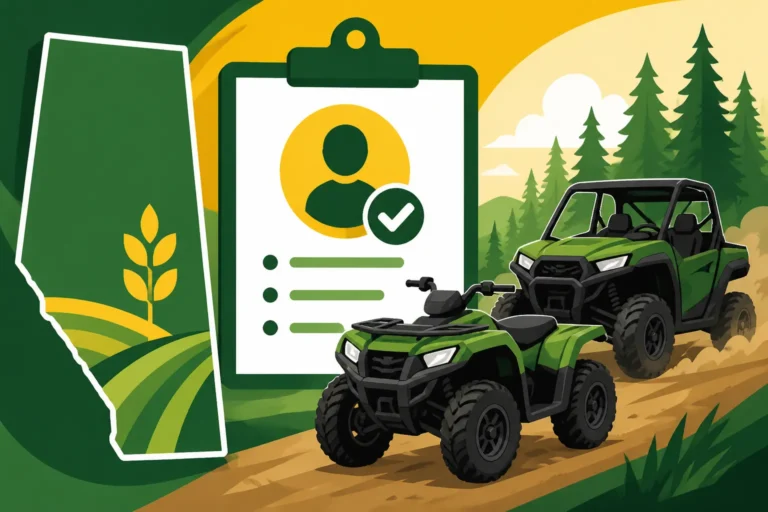
While Saskatchewan doesn't have a province-wide ATV registration system, and therefore no provincial trail pass for quads, some provincial parks do require permits or acknowledgment forms specifically for trail use. For example, Moose Mountain Provincial Park requires riders to obtain a free trail permit and sign an acknowledgment form before using their ATV trails. This process usually involves a brief orientation to the park's rules and reinforces the designated trail policy. It's not about paying a fee for registration, but rather about ensuring riders understand and commit to responsible use of the park's resources.
Typically, you can pick up these permits at the park office or a campground office. They might ask for some basic information and will often provide you with a map of the designated trails. It's a quick process, but it's a vital step to ensure you're riding legally and that you've been informed of any specific conditions or temporary closures. Always make sure to display any required permit clearly on your machine, as instructed by park staff. Failing to do so, even if you have the permit, could still lead to questions from a park officer. For instance, checking [Saskatchewan Permit Rules at Moose Mountain] will give you the latest information on what's required for that specific park.
The purpose of these permits and acknowledgement forms is primarily educational and regulatory. By making you go through a brief process, the park ensures that you are aware of the rules, understand the sensitive nature of the environment, and acknowledge your responsibilities as a rider. This helps to foster a culture of respect and minimizes the likelihood of unintentional rule-breaking. It also serves as a point of contact should the park need to communicate urgent information, such as unexpected trail closures due to weather or wildlife activity. Think of it as your passport to responsible park enjoyment.
Prohibited Areas Within Parks
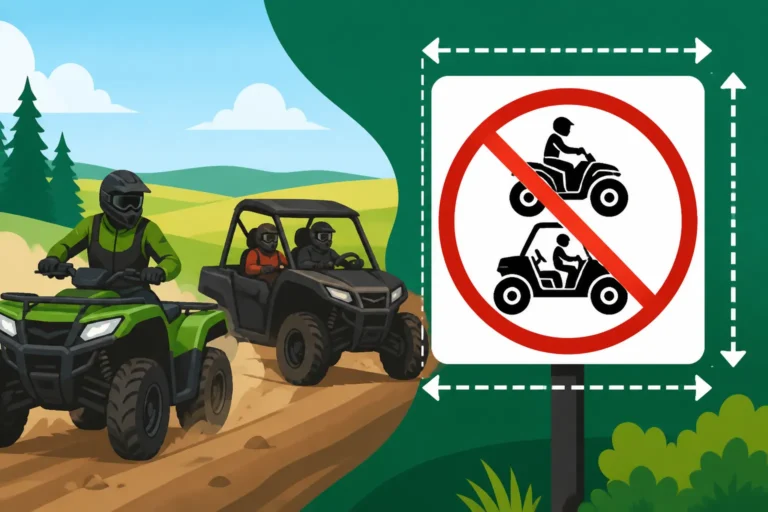
Beyond sticking to designated trails, it's equally important to understand what areas within a provincial park are absolutely off-limits to ATVs. This generally includes campgrounds, picnic areas, beaches, boat launches, hiking-only trails, and any environmentally sensitive areas like wetlands or designated wildlife zones. These prohibitions are in place to ensure public safety, minimize noise disturbances for other park users, and protect delicate ecosystems. You should never assume you can take a shortcut through a campground or ride your machine down to the beach, even if it seems convenient.
For example, while you might be able to ride a designated trail through a forested area, riding on a pedestrian hiking trail, even if it looks like a good shortcut, is strictly forbidden. Similarly, some parks might have specific regulations about noise levels or times of day when ATV use is permitted to reduce impact on wildlife and campers. Always look for signs, consult park maps, and if in doubt, ask park staff. Ignoring these prohibitions can not only result in fines but also create negative perceptions of ATV riders, potentially jeopardizing future access to these beautiful areas. Respect for all park users and the environment is paramount.
The rationale behind these prohibitions is multi-faceted. Campgrounds, for instance, are family-oriented zones where quiet enjoyment and pedestrian safety are prioritized. Introducing ATVs can disrupt this peaceful atmosphere and create hazards. Similarly, sensitive ecological areas are often home to rare plants or vulnerable wildlife, and even minimal disturbance from a quad can have significant negative impacts. Park staff have a mandate to protect these areas, and they take violations very seriously. Your commitment to avoiding these prohibited zones helps ensure that everyone, human and animal alike, can enjoy the park safely and respectfully.
Navigating Crown Land Regulations
Saskatchewan boasts vast expanses of Crown land, offering incredible potential for off-road adventures. However, riding on Crown land isn't a free-for-all. It's governed by a set of regulations that aim to balance recreational use with environmental protection and other land uses, such as forestry, agriculture, and resource extraction.
General Access and Restrictions
Generally speaking, many areas of Crown land in Saskatchewan are open for recreational ATV and UTV use, but there are significant caveats. The default assumption should not be that all Crown land is accessible for unfettered riding. Instead, you need to be aware of areas that are specifically restricted or prohibited. These restrictions can stem from various sources, including provincial legislation, administrative orders, and specific land designations. For example, some ecological reserves, protected natural areas, or critical wildlife habitats may be entirely off-limits to motorized vehicles. Similarly, newly reforested areas or sensitive wetlands might have temporary or permanent closures.
The key is to understand that "Crown land" is a broad term, and its specific management can vary significantly. You might encounter active forestry operations, mining claims, or oil and gas sites where riding would be unsafe or interfere with commercial activities. Always check with the Ministry of Environment or relevant regional offices if you're planning to explore a specific area of Crown land that isn't part of a known trail system. Maps and online resources can help identify general Crown land boundaries, but they may not always detail specific use restrictions. It’s your responsibility as a rider to know before you go, ensuring you respect the land and its multiple uses. Many of these general rules are outlined in [Saskatchewan Crown Land Prohibition Regulations].
A common frustration among riders is the lack of easily accessible, consolidated information about Crown land access. Unlike provincial parks, which have dedicated websites, navigating the various ministries and departments responsible for different tracts of Crown land can be challenging. This means you might need to make a few phone calls or dig through several government websites to get the full picture of an area you intend to ride. While it demands extra effort, this due diligence is essential to avoid trespassing or damaging protected areas. Always prioritize confirming legality over simply assuming access.
Occupied Crown Land and Permission
One of the most frequently misunderstood aspects of Crown land riding involves "occupied" or "disposition" Crown land. While the land itself is provincially owned, it may be leased or permitted to individuals or businesses for specific purposes, such as grazing cattle, farming, or traplines. When Crown land is under such a disposition, it effectively becomes managed by the leaseholder or permittee. This means you must obtain permission from the occupant before riding your ATV or UTV on that specific piece of Crown land. This is a crucial distinction and often catches riders by surprise.
Imagine riding through what you believe is open Crown land, only to find yourself amidst a herd of cattle or driving through a farmer's field under lease. Not only is this disrespectful to the leaseholder, but it can also lead to conflicts, damage to property, or even endanger livestock. The onus is on the rider to identify whether Crown land is occupied and to seek the necessary consent. Sometimes, this might mean contacting local RMs, agricultural offices, or simply looking for signs of active use (fences, gates, cattle). For example, [Saskatchewan Grazing Lease Permission] specifically addresses the need to secure consent from leaseholders before entering their designated areas. A quick conversation with a local rancher or farmer can save you a lot of trouble and foster good relationships within the riding community.
Failing to obtain permission on occupied Crown land is a serious offense, not just a minor oversight. It can be considered trespass and may result in penalties. Moreover, it damages the reputation of the entire ATV community. Leaseholders, who often depend on the land for their livelihood, are understandably protective of their operations. Showing courtesy and seeking permission beforehand is a simple step that goes a long way in ensuring continued access for responsible riders. It's about being a good neighbour and recognizing that while the land is Crown-owned, its day-to-day management falls to those who lease it.
Wildfire Season and Fire Bans
Saskatchewan's hot, dry summers often bring with them a significant risk of wildfires, especially in forested and grassy areas that are popular for ATV riding. During wildfire season, which typically runs from April 1 to October 31, specific rules and restrictions on Crown land can come into effect. These can range from general fire bans that prohibit all open fires to complete closures of certain Crown land areas to motorized vehicles, including ATVs and UTVs. These closures are implemented to protect public safety and prevent human-caused fires.
It is absolutely imperative for riders to check for current fire bans and restrictions before heading out onto Crown land, particularly during dry periods. Information is usually available through the Saskatchewan Public Safety Agency (SPSA) website or local news outlets. Ignoring a fire ban or an area closure not only puts you and others at risk but also carries severe penalties. Additionally, machines themselves can be a source of ignition if not properly maintained; a hot exhaust or an improperly functioning spark arrestor can easily start a grass fire. Regular checks of your machine for debris accumulation, especially around the exhaust, are a must. Many riders, realizing the risk, will also carry fire suppression gear like a small extinguisher and shovel. Understanding [Saskatchewan Wildfire Closures and Riding] is non-negotiable for responsible Crown land access.
The dangers of wildfires cannot be overstated. A single spark from a hot exhaust or a careless act can devastate thousands of acres of forest, destroy wildlife habitats, and threaten homes and communities. The fines for violating wildfire restrictions are substantial, and rightly so, given the immense potential for harm. Beyond legal repercussions, the moral responsibility to prevent wildfires rests with every single outdoor user. Always inspect your machine's exhaust system, ensure your spark arrestor is intact, and carry a small shovel or extinguisher during dry conditions. Your vigilance can be the difference between a safe ride and an ecological disaster.
Private Land and Grazing Lease Access
A significant portion of Saskatchewan's landscape is privately owned or leased for agricultural purposes. While these lands might offer tempting riding opportunities, accessing them without proper authorization is a serious matter with legal consequences.
The Importance of Explicit Permission
This cannot be stressed enough: you must always obtain explicit permission from the landowner before riding your ATV or UTV on private property. Unlike Crown land where some general access is permitted (with caveats), private land is, by definition, owned and controlled by an individual or entity. Riding on private land without permission is trespassing, a legal offense that can lead to fines, your machine being impounded, and even civil litigation if any damage occurs. This applies whether it's a small acreage, a large farm, or a vast ranch.
The permission needs to be clear and, ideally, in writing, especially if you plan to ride regularly. A simple verbal "sure, go ahead" can sometimes lead to misunderstandings down the line. A written agreement, or at least a clear text message or email, can protect both you and the landowner. It's not just about avoiding legal trouble; it's about respecting property rights and maintaining positive relationships within rural communities. Nobody wants strangers riding across their fields, scaring livestock, or potentially damaging crops or fences. Think of it this way: you wouldn't want someone driving their machine through your backyard without asking, and the same principle applies, even if the "backyard" is a thousand-acre field. For more guidance, see [Getting Written Permission From a Farm Landowner].
Many riders feel awkward about asking for permission, fearing rejection. However, most landowners appreciate the respect shown by asking, even if they ultimately decline. It builds goodwill and prevents potential conflicts. If you're going to be riding on a piece of private land, even for what seems like a short time, taking the initiative to locate the landowner and request access is a sign of responsible riding. It ensures clarity for both parties and safeguards against future misunderstandings that could strain community relations or even result in legal action against you.
Respecting Agricultural Operations
When you do receive permission to ride on private land, particularly agricultural land, it comes with a heightened responsibility to be respectful of ongoing operations. Farms and ranches are working environments, and your recreational activity must not interfere with the landowner's livelihood. This means being acutely aware of your surroundings:
- Watch for livestock: Cattle, horses, and other farm animals can be easily startled by ATVs. Ride slowly and give them a wide berth. Close any gates you open to prevent animals from escaping.
- Avoid crops: Never ride through planted fields, even if they appear fallow or harvested. There might be delicate new growth, or the soil structure could be damaged by your tires. Stick to field edges, designated trails, or access roads.
- Stay away from equipment and buildings: Farm machinery is expensive and dangerous. Keep a safe distance from active operations, barns, sheds, and residences.
- Minimize noise: While ATVs can be loud, try to be as quiet as possible, especially near homes or where livestock are present.
These considerations are not just courtesies; they are often part of the implicit, or explicit, terms of your permission. Disregarding them can quickly lead to your riding privileges being revoked, not just for you but potentially for other riders as well. You might even discover that robust aftermarket parts from a company like SuperATV, while making your machine more capable, require an even greater sense of responsibility to ensure you're not causing undue damage or disturbance.
It's important to remember that a farmer's or rancher's livelihood depends on their land and livestock. Any damage or disturbance caused by an ATV rider can have significant financial implications for them. For example, leaving a gate open could result in cattle straying, leading to costly retrieval efforts or even loss. Riding through a field, even seemingly dry, can compact soil and reduce future crop yields. By being mindful and respectful of these operations, you not only uphold your end of the permission agreement but also contribute to a positive perception of ATV riders in rural areas.
Understanding Grazing Lease Holder Rights
As mentioned earlier regarding Crown land, it's worth reiterating the specific situation with grazing leases on both Crown and sometimes private land. A grazing lease grants the leaseholder the exclusive right to use that land for livestock. While the land may appear undeveloped or wild, it is actively managed. This means the leaseholder has significant rights regarding who can access their leased area, particularly with motorized vehicles. Even if the land is technically Crown land, the grazing lease effectively puts the leaseholder in charge of access.
If you encounter land that is clearly being used for grazing (fences, cattle, range improvements), assume it's under a lease and requires permission, regardless of whether it's Crown or private. Contacting the leaseholder before you enter is not just good manners, it's often a legal requirement. Trespassing on a grazing lease can disrupt livestock, damage rangeland, and create significant problems for the leaseholder. For instance, [Saskatchewan Grazing Lease Permission] specifically addresses the need to secure consent from leaseholders before entering their designated areas. Always carry a current map, know how to identify leased areas, and be prepared to contact the appropriate parties before you ride.
The frustration for riders often lies in identifying who the leaseholder is and how to contact them, as this information isn't always readily apparent. However, local RM offices, agricultural extension services, or even local residents can sometimes help you identify the appropriate contact. Making this effort demonstrates respect for both the land and the people who rely on it. It’s a vital step to ensuring you don't inadvertently cause harm or commit trespass, preserving valuable recreational access points for those who follow the rules.
Trail Etiquette and Environmental Responsibilities
Responsible ATV and UTV riding goes far beyond just knowing the legal rules. It encompasses a strong sense of trail etiquette and a deep commitment to environmental stewardship. These practices ensure that trails remain open, the environment stays healthy, and the riding community is viewed positively.
Minimizing Environmental Impact
Our beautiful Saskatchewan landscapes are fragile, and it's every rider's responsibility to minimize their environmental footprint. This means more than just sticking to trails; it means actively thinking about how your machine impacts the ground beneath its tires and the air it breathes.
- Stay on designated trails: This is paramount. Going off-trail can crush vegetation, compact soil, cause erosion, and disturb wildlife habitats. Even short detours can leave lasting scars.
- Avoid wet and muddy areas: Riding through deep mud or standing water creates ruts, widens trails, and spreads invasive species. If a trail section is excessively muddy, turn around if possible, or ride carefully through the centre to avoid widening the path.
- Respect water bodies: Never ride in streams, rivers, or lakes. This contaminates water sources, disturbs aquatic life, and can damage stream banks. Cross water bodies only at designated crossings and at the slowest possible speed.
- Prevent wildfires: As discussed, machines can spark fires. Ensure your ATV or UTV has a properly functioning [Saskatchewan Spark Arrestor Guidance] and regularly check for debris build-up around hot engine parts. Be extra cautious during dry conditions.
These practices aren't just suggestions; they are fundamental to preserving the natural beauty that draws us to the trails in the first place. A single irresponsible act can lead to trail closures and give the entire riding community a bad name. The cumulative effect of many riders ignoring these simple guidelines can rapidly degrade popular riding areas, making them less enjoyable for everyone and potentially leading to permanent closures.
Environmental responsibility is a shared burden, and positive actions by riders can greatly influence public perception. When non-riders see well-maintained trails and respectful behaviour, it fosters support for continued access. Conversely, evidence of environmental damage can fuel opposition and lead to stricter regulations. It's about being proactive and thoughtful in every aspect of your ride, understanding that your enjoyment of the outdoors is intertwined with its preservation.
Wildlife Encounters and Right-of-Way
Saskatchewan is home to a diverse array of wildlife, from deer and moose to various bird species and smaller mammals. Encountering wildlife is part of the joy of trail riding, but it's crucial to do so responsibly and safely.
- Give wildlife space: If you see animals, slow down, stop, or even turn off your engine and allow them to pass undisturbed. Never chase or harass wildlife, or try to get too close for a photo.
- Be especially cautious at dawn and dusk: These are prime times for wildlife activity, and animals are often on the move. Your visibility may also be reduced.
- Understand right-of-way: When encountering other trail users – hikers, cyclists, horseback riders – always yield to them. Slow down, stop, and offer a friendly greeting. Horses, in particular, can be easily spooked by machines, so shut off your engine if necessary and wait for them to pass safely.
- Minimize noise: While it's hard to make an ATV silent, avoid unnecessary revving or loud music, which can disturb both wildlife and other people enjoying nature.
Being a good neighbour on the trail extends to all living things. Respecting wildlife means enjoying their presence without disturbing their natural patterns. This kind of thoughtful interaction is central to [Saskatchewan Trail Etiquette Locals Expect]. It’s a common courtesy that not only promotes safety but also helps to maintain a positive image for the ATV community.
Remember that unexpected wildlife encounters can pose a risk to both you and the animal. A startled deer or moose could bolt into your path, causing an accident. By being observant, slowing down, and giving animals ample space, you minimize these risks. Similarly, when sharing multi-use trails, a little courtesy goes a long way. Other users, especially those on horseback, might not be accustomed to the sound of an ATV. Taking the time to stop, turn off your engine, and speak to them can prevent a spooked horse and a potentially dangerous situation.
Packing It In, Packing It Out
The "Leave No Trace" principle is a cornerstone of outdoor recreation, and it applies unequivocally to ATV and UTV riding. This means that whatever you bring onto the trail, you must take back out with you – and perhaps even a little more.
- No littering: This seems obvious, but unfortunately, trash can still be found on trails. Every wrapper, bottle, and broken part must be packed out.
- Dispose of waste properly: If you bring food or drinks, pack out all containers. This also includes any waste from your machine, like oil filters if you're doing field repairs.
- Carry a trash bag: It's a good habit to carry an extra bag to pack out not only your own trash but any litter you might find from others. Leading by example helps foster a culture of cleanliness.
- Don't leave anything behind: This includes broken machine parts, ropes, or anything else. Even seemingly innocuous items can harm wildlife or become an eyesore.
Leaving the trail cleaner than you found it is the ultimate expression of respect for the environment and the riding community. It contributes to keeping trails open and accessible for everyone to enjoy for years to come. The effort to pack out what you pack in, and perhaps even a little extra, reflects a deep respect for the natural environment.
Consider the long-term impact of even small pieces of litter. Plastics can take hundreds of years to decompose, and during that time, they can leach chemicals into the soil and water, or be ingested by wildlife. Metal scraps can rust and create hazards. By diligently cleaning up after yourself, you contribute directly to the health and beauty of Saskatchewan's trails. This simple act is one of the most powerful ways to advocate for continued access and foster a positive image for all ATV and UTV enthusiasts.
Safety Gear and Practices for Trail Riding
While the thrill of riding an ATV or UTV on Saskatchewan's diverse trails is undeniable, it's crucial to prioritize safety. The province has specific rules regarding protective gear and operation, and adhering to them is not just about avoiding fines; it's about protecting yourself and your fellow riders from serious injury.
Mandatory Safety Equipment
Saskatchewan law is clear about the minimum safety equipment required for ATV and UTV operators and passengers. These rules are in place because off-road riding carries inherent risks, and proper gear significantly reduces the severity of potential injuries.
- Helmets: A properly fitted and fastened helmet is mandatory for all riders, regardless of age. The helmet must be designed for motorized recreational vehicles and meet recognized safety standards. This isn't just a suggestion; it's a legal requirement to protect against head injuries, which are often the most severe in ATV accidents. You can find more details on [Saskatchewan Helmet and Eye Protection Rules].
- Eye Protection: Goggles or a face shield are also mandatory. Dirt, dust, branches, and insects can easily impair vision and cause serious eye injuries. Tinted eyewear should not be used after sunset or in low-light conditions to ensure adequate visibility.
- Appropriate Footwear: While not explicitly mandated by the Act, sturdy over-the-ankle boots are highly recommended. They protect your feet and ankles from impacts, abrasions, and the heat of the engine. Sandals or open-toed shoes offer virtually no protection.
- Gloves, Long Pants, and Long Sleeves: Again, these are highly recommended best practices. Gloves protect your hands from blisters, impacts, and branches. Long pants and long sleeves offer crucial protection against scrapes, cuts, and sunburn, especially when riding through dense brush or if you take a minor tumble. Many riders invest in specialized riding gear from companies like SuperATV that provide integrated protection and comfort.
Failing to wear the proper safety gear not only puts you at risk but also demonstrates a disregard for the law and responsible riding practices. Peace officers can issue tickets for non-compliance, but the biggest cost will be to your well-being. Investing in quality gear is an investment in your own safety and enjoyment on the trails, allowing you to ride with greater confidence and protection.
The importance of a good helmet cannot be overstated. A serious head injury can be life-altering, and a helmet is your primary defense. Similarly, eye protection prevents objects from impacting your eyes, which could lead to loss of control or permanent vision damage. While the Act specifies minimum requirements, wise riders often go beyond these, choosing gear that offers maximum protection for their specific riding conditions. This proactive approach to safety minimizes risk and helps ensure that your trail adventures remain fun and free from serious incident.
Riding Age and Supervision Requirements
Saskatchewan has strict age requirements for ATV and UTV operators, particularly for younger riders. These rules are designed to prevent accidents involving children and ensure that operators have the necessary maturity and skill to handle these powerful machines safely.
- Minimum Age: Generally, a person must be 16 years of age or older to operate an ATV or UTV without direct supervision on public land, including designated trails. For a more detailed breakdown, refer to [Saskatchewan Bans Riders Under 16].
- Supervision for Younger Riders: There are exceptions for riders between 12 and 15 years old. They can operate an ATV if they are directly supervised by an adult (18 years or older) who has held a valid driver's licence for at least 365 days. Alternatively, they can operate without direct supervision if they have completed an approved ATV safety course. This supervisor rule means the adult must be close enough to immediately intervene if needed, not just riding somewhere in the same vicinity.
- Child Passengers: Passengers are only permitted on ATVs or UTVs specifically designed by the manufacturer to carry more than one person, with designated passenger seats and footrests. Carrying a child on the fuel tank or an aftermarket seat not designed for passengers is illegal and incredibly dangerous.
Understanding and adhering to these age and supervision rules is critical. Parents and guardians are ultimately responsible for ensuring that young riders are operating their machines legally and safely. Ignoring these rules can lead to serious accidents and significant legal consequences for both the rider and the adult in charge. These regulations are not arbitrary; they are based on safety statistics and the recognized developmental stages of children and adolescents.
The supervisor rule is particularly important as it places the responsibility for the minor's safety and adherence to the rules squarely on the adult. This means the supervisor is held accountable for any infractions or accidents involving the youth under their care. For this reason, selecting a responsible and experienced supervisor is paramount. For younger riders, completing an approved safety course not only fulfills a legal requirement but also provides invaluable training in safe operation, risk assessment, and basic maintenance, setting them up for a lifetime of responsible riding.
Group Riding Best Practices
Riding with a group can enhance the fun and safety of a trail excursion, but it requires coordination and adherence to best practices to prevent incidents and ensure everyone has a good time.
- Pre-Ride Briefing: Before setting out, conduct a brief meeting. Discuss the planned route, potential hazards, hand signals, and what to do in case of a breakdown or separation. Establish a lead rider and a sweep rider (last in line).
- Maintain Safe Distances: Don't ride too close to the machine in front of you. Dust, sudden stops, or unexpected obstacles can quickly lead to collisions. A general rule of thumb is to maintain enough distance to react safely to any changes.
- Ride Within Your Skill Level: Encourage all members of the group to ride at a pace they are comfortable with. No one should feel pressured to keep up with faster riders. The group should only go as fast as its slowest member.
- Communicate: Use hand signals, radios, or intercom systems (like those often integrated into SuperATV helmets or accessories) to communicate changes in trail conditions, upcoming turns, or stops.
- Carry Essentials: Ensure someone in the group has a first aid kit, basic repair tools, a fully charged cell phone (though service can be spotty), and enough food and water for everyone. It's also wise to carry a paper map and a GPS device, as electronic navigation can sometimes fail.
Group riding is a fantastic way to enjoy the trails, but it relies on mutual responsibility and communication. A well-prepared and coordinated group is a safer and happier group, ready to tackle Saskatchewan's trails with confidence. Don't forget that [Saskatchewan's Minimum Insurance Requirement] applies to all riders, whether alone or in a group, so ensure everyone's coverage is up to date.
A well-organized group ride minimizes risks significantly. The lead rider sets the pace and navigates, while the sweep rider ensures no one is left behind and provides assistance if needed. Maintaining safe following distances not only prevents collisions but also reduces the amount of dust you ingest, making the ride more comfortable for everyone. Regular communication keeps everyone informed and connected, crucial for navigating challenging terrain or responding to unexpected situations. By embracing these best practices, you elevate the safety and enjoyment of the entire group, fostering camaraderie and lasting memories on the trails.
Comparing Trail Riding Rules by Land Type
Understanding the varied rules across different land types in Saskatchewan is crucial for any responsible ATV or UTV rider. This table provides a quick reference to differentiate key aspects of trail riding regulations.
| Aspect | Provincial Parks (Designated Trails) | Crown Land (General Use) | Private Land / Grazing Lease |
|---|---|---|---|
| Access | Only on designated trails. | Generally open, with restrictions. | Requires explicit permission. |
| Permits | Often required (free, informational). | No provincial permit. | No permit, but permission is key. |
| Primary Authority | Saskatchewan Parks, Culture & Sport. | Ministry of Environment. | Landowner/Leaseholder. |
| Off-Trail Riding | Strictly prohibited. | Often prohibited, check specifics. | Prohibited without specific consent. |
| Environmental Rules | High priority, strict enforcement. | High priority, enforce "Leave No Trace." | Respect land, minimize impact. |
| Wildfire Restrictions | Apply during wildfire season. | Apply during wildfire season. | Apply, check local fire bans. |
| Age & Supervision | Provincial ATV Act rules apply. | Provincial ATV Act rules apply. | Provincial ATV Act rules apply. |
| Insurance | [Saskatchewan's Minimum Insurance Requirement] applies. | [Saskatchewan's Minimum Insurance Requirement] applies. | [Saskatchewan's Minimum Insurance Requirement] applies. |
Disclaimer
This article is for general informational purposes only and does not constitute professional advice. Laws, prices and regulations vary by location and change over time. Consult a qualified professional for guidance on your specific situation.