How a Safety Course Replaces a Supervisor
It's a familiar scenario across the Prairies: you've got a keen young rider, eager to hit the trails or help out on the farm with an ATV, but you're wrestling with Saskatchewan's rules about age, supervision, and getting them out there safely and legally. The constant need for a supervisor can feel like a real hurdle, especially when everyone has busy schedules. This guide is here to untangle the complexities of how an approved ATV safety course can actually open up new possibilities, allowing younger riders more independence while ensuring they're operating their machines responsibly and lawfully, replacing the often-restrictive supervisor requirement.
Understanding Saskatchewan's Age Restrictions for ATV Riders
When it comes to ATV riding in Saskatchewan, the rules aren't always as straightforward as you might hope, especially for younger operators. Many folks assume a simple age cut-off, but the reality is a bit more nuanced, designed to balance access with safety.
The Baseline: Why 16 is the Age Floor for Riders
Let's start with the foundational rule: in Saskatchewan, the general minimum age to operate an ATV is 16 years old. This isn't just a suggestion; it's a legal requirement under [Saskatchewan's All Terrain Vehicles Act]. For anyone under 16, there are specific conditions that need to be met, and this is where a lot of the confusion and frustration for families often begins. Imagine your enthusiastic 14-year-old, fully capable of handling a machine, but legally restricted from operating it unsupervised. It’s a common point of contention for many farm families or those living in rural areas where ATVs are integral to daily life, as well as for recreational riders who just want to enjoy the vast Saskatchewan landscapes.
This age floor is in place for a good reason, of course. ATVs are powerful machines, and operating them safely requires a certain level of physical maturity, judgment, and understanding of risks that typically develop as a person gets older. The Act aims to prevent preventable accidents and injuries by setting this baseline, acknowledging the potential dangers that can arise from inexperienced or immature operation. While it might feel like an impediment to some, it's rooted in a broad safety approach.
The Supervisor Requirement for Younger Operators
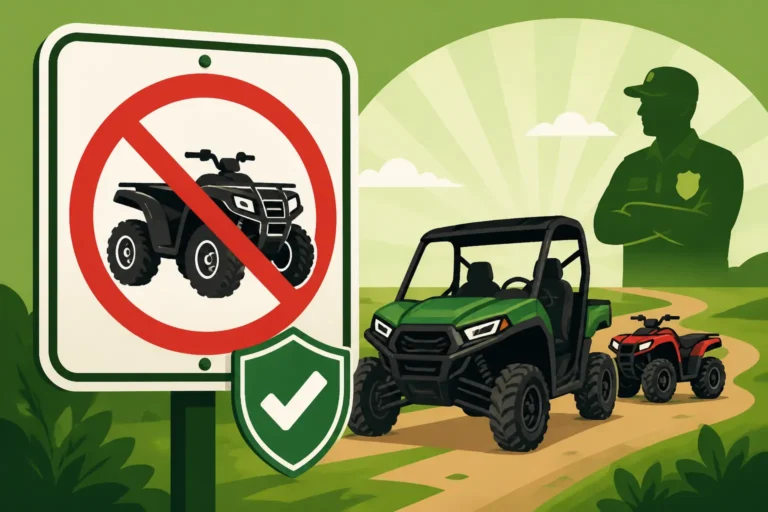
So, what if your child is under 16 but still wants to ride? This is where the supervisor requirement kicks in. For riders aged 12 to 15, they are legally permitted to operate an ATV, but only if they are under the direct supervision of an adult who meets specific criteria. This isn't just about having an adult nearby; the supervisor must be at least 18 years old and hold a valid driver's license that they have possessed for a minimum of 365 days. That's a full year of driving experience. Furthermore, this supervisor must accompany the younger rider, typically meaning they are riding another ATV or following closely in a support vehicle, maintaining visual contact and the ability to intervene if necessary. You can dive deeper into this specific requirement by reading [Saskatchewan's 365-Day Supervisor Rule].
This rule is designed to provide immediate guidance and oversight for younger riders who are still developing their skills and judgment. It means that every time your 14-year-old wants to ride, an eligible adult needs to be right there with them. This can be a significant logistical challenge for families. Picture a parent trying to get farm chores done, needing their child to help on a quad, but also having to be right there supervising every minute. It can feel like an inefficient use of time and resources, turning what should be a straightforward task into a two-person operation. The intent is safety, but the execution can be cumbersome.
The Frustration of Constant Supervision
Let's be honest, the constant supervision rule can be a real pain point. For many families, especially those in rural Saskatchewan where ATVs are tools as much as toys, this requirement can be genuinely restrictive. It means less independence for responsible young riders and more demands on already busy adults. It's not uncommon to hear parents express frustration that their capable 13-year-old can't simply take the quad to check fences or move livestock without an adult shadowing their every move. This isn't about ignoring safety; it's about finding a practical way to empower young riders who have demonstrated competence.
The logistics alone can be daunting. If you have multiple children who want to ride, it means multiple supervisors or a strict rotation, which might not always be feasible. Recreational family outings can become less spontaneous and more rigidly planned around who can supervise whom. This constant oversight, while well-intentioned, can stifle a young person's development of independent judgment and decision-making skills in a safe environment. It creates a barrier rather than facilitating safe, responsible riding. It's a common lament around campfires and coffee shops: "There has to be a better way to let my kids ride safely without me glued to their hip!" And thankfully, there often is.
The Role of an Approved ATV Safety Course
This is where the idea of an approved ATV safety course becomes a game-changer for many Saskatchewan families. While the supervisor rule is strict, the province also provides a pathway for younger riders to gain more independence through education and certification. It’s a pragmatic approach that recognizes the value of formal training in fostering safe riding habits.
What an Administrator-Approved Course Looks Like
Not just any ATV course will do to replace the supervisor requirement. The course must be officially approved by the administrator of [Saskatchewan's All Terrain Vehicles Act]. These aren't casual weekend workshops; they are structured programs delivered by certified instructors, designed to impart comprehensive knowledge and practical skills for safe ATV operation. The curriculum typically covers everything from pre-ride inspections and basic maintenance to proper riding techniques, hazard assessment, environmental awareness, and adherence to all relevant laws. It's a holistic approach to responsible riding, far beyond just knowing how to press the throttle and brake.
These courses are usually hands-on, combining classroom theory with practical, supervised riding exercises in a controlled environment. Riders learn how to safely navigate different terrains, handle emergencies, and understand the capabilities and limitations of their machines. The focus is on building confidence through competence, ensuring that riders not only know what to do but also why they should do it. They emphasize defensive riding and avoiding risky behaviours.
How a Safety Course Replaces the Supervisor Requirement
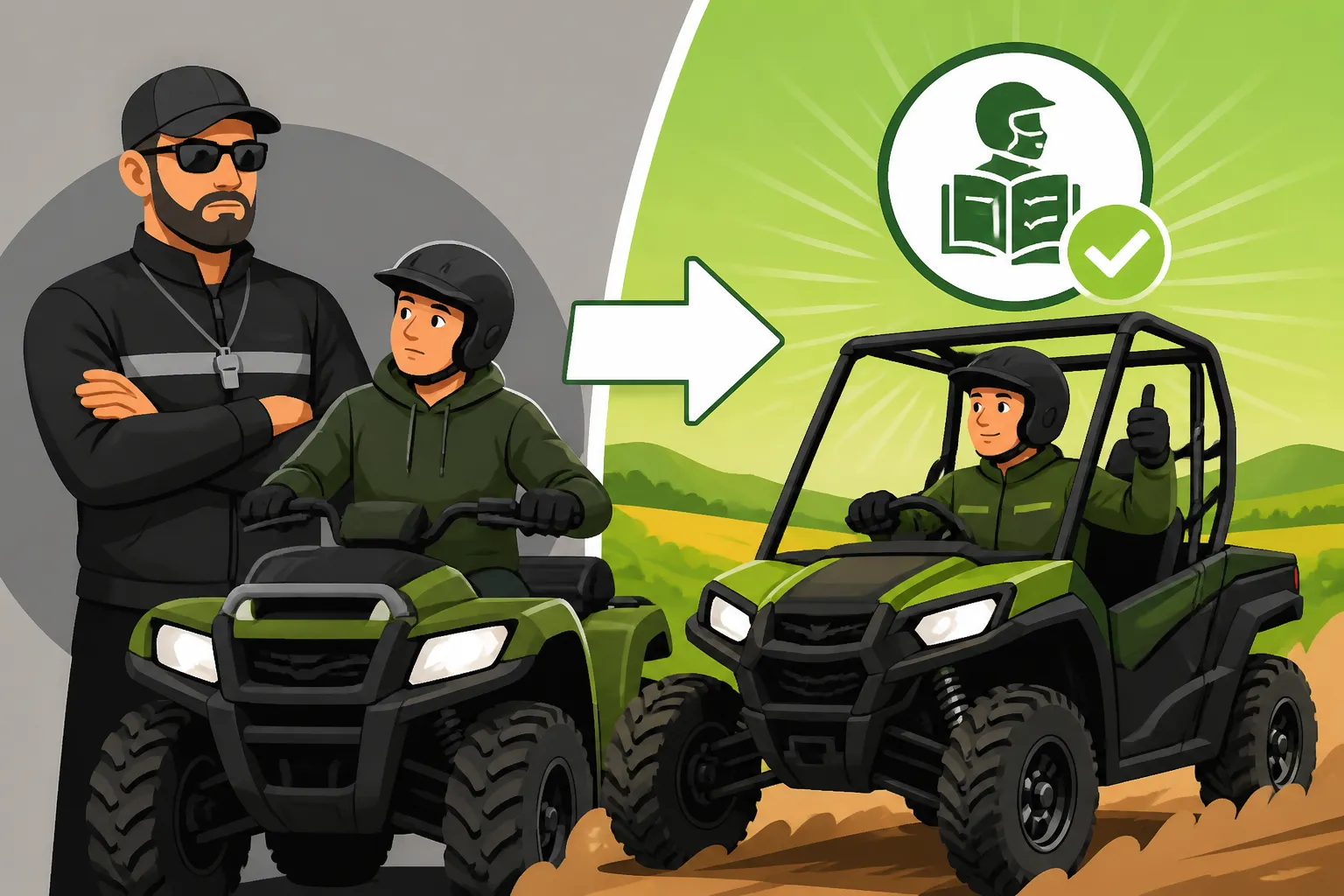
Here's the key: for riders aged 12 to 15, successfully completing one of these administrator-approved ATV safety courses exempts them from the constant adult supervision rule. This is a huge relief for many families. Instead of needing an adult with a 365-day-old driver's license shadowing them every time they ride, the certified young operator can legally ride solo, within the framework of the law. This doesn't mean they can just head out on any road or piece of Crown land; all other rules regarding age, location, and equipment still apply. But the critical piece of the supervisory puzzle is removed, granting them a significant measure of independence. You can learn more about this by checking out [Saskatchewan Youth Certification Options].
Imagine the difference this makes: your 13-year-old, certified and confident, can now ride the quad on your farm to help with chores, or enjoy a designated trail ride with friends (who also meet the requirements) without a parent needing to be on another machine right behind them. This shift is about trust in training. The province recognizes that formal education provides a foundation of safety knowledge and practical skills that can, in certain circumstances, be more effective than continuous, informal supervision. It’s a way of saying, "We trust your training to guide you."
Benefits Beyond Just Legal Compliance
While the primary benefit of completing an approved ATV safety course is the legal exemption from supervision, the advantages extend far beyond simply checking a box. These courses instill a deep understanding of ATV mechanics and safe operation that can prevent accidents and save lives. Riders learn about weight distribution, navigating inclines and declines, proper turning techniques, and what to do in various hazardous situations. This proactive approach to safety is invaluable. For instance, understanding how modifying an ATV with heavy accessories, perhaps from a brand like SuperATV, might affect its handling is crucial for safe operation. A well-designed course will cover these real-world considerations.
Furthermore, these courses foster a sense of responsibility and respect for the machine and the environment. Riders learn about proper trail etiquette, minimizing environmental impact, and understanding the rules of the road (or ditch, or field). This comprehensive education turns an eager young rider into a knowledgeable, responsible operator. It's not just about what they can do, but how they should do it, safely and respectfully. This level of training often makes parents feel much more at ease, knowing their child has received professional instruction rather than just learning by trial and error in the backyard.
Who Can Take a Safety Course and What It Covers
Getting a young rider certified is a fantastic step towards independence and enhanced safety, but it's important to understand the specifics of who is eligible for these courses and what they will actually learn. It's not just a participation trophy; it's about acquiring real, life-saving skills.
Age Eligibility for Certification
Generally, the ATV Act allows for riders aged 12 to 15 to complete an approved safety course to become exempt from the supervisor rule. If your child falls within this age bracket, they are eligible to pursue this certification. It’s important to note that specific course providers might have their own minimum age recommendations, sometimes aligning with physical ability more than just the legal minimum, but 12 is the floor for the legal exemption. There isn't an equivalent "adult" certification that removes the need for a license (because adults already need one to supervise or operate on public land) or provides the same kind of supervision exemption, as the primary purpose of this specific certification is to address the youth supervision clause.
For older teenagers and adults, while these courses don't alter the legal requirements in the same way, they still offer immense value. New riders of any age can benefit greatly from formal instruction, especially those who might not have grown up around ATVs or who are looking to hone their skills. It's never a bad idea to brush up on safety, no matter your experience level.
Core Curriculum: Skills and Knowledge Gained
An approved ATV safety course provides a robust curriculum designed to equip riders with critical knowledge and practical skills. The content typically includes:
- Pre-Ride Inspection: Learning how to check tires, brakes, fluids, lights, and controls before every ride – a fundamental habit for safety.
- Basic Maintenance: Understanding how to keep the machine in good working order, including chain tension, oil levels, and air filter cleanliness.
- Riding Posture and Control: Mastering the correct riding stance for different terrains, proper use of throttle and brakes, and effective steering.
- Hazard Recognition and Avoidance: Identifying potential dangers like slippery surfaces, hidden obstacles, steep inclines, and understanding how to react safely.
- Environmental Responsibility: Learning about minimizing impact on trails, proper waste disposal, and respecting wildlife.
- Traffic Laws and Regulations: Understanding where ATVs can and cannot be ridden, [Saskatchewan ATV Road Rules Explained], and the importance of adhering to local bylaws.
- Emergency Procedures: What to do in case of a breakdown, injury, or getting lost.
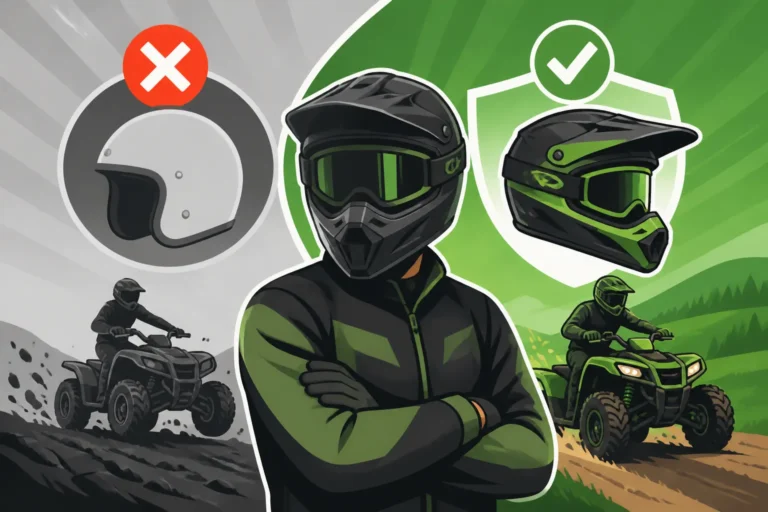
- Protective Gear: Emphasizing the absolute necessity of helmets (meeting approved standards), eye protection, gloves, long pants, and sturdy footwear. You can read up on [Saskatchewan Helmet and Eye Protection Rules] for more details.
These courses are thorough, ensuring that riders gain a comprehensive understanding of all aspects of ATV operation. They might even touch upon how certain aftermarket additions, perhaps from a company like SuperATV, can affect the dynamics and safety of the machine, emphasizing the importance of understanding any modifications.
Finding a Certified Course Provider in Saskatchewan
Locating an administrator-approved course is crucial, as unauthorized courses won't fulfill the legal requirement for the supervision exemption. In Saskatchewan, the primary organization that typically offers and certifies these courses is the Saskatchewan All Terrain Vehicle Association (SATVA) or other recognized safety councils. They usually have a network of certified instructors across the province. You might find courses offered in larger centers like Saskatoon or Regina, or in smaller communities, depending on demand and instructor availability. It’s always best to check directly with SATVA or the provincial government's official channels for an up-to-date list of approved providers and course schedules.
When researching a course, ask about the instructor's credentials, the curriculum covered, and whether it is officially recognized by the province for the purpose of the supervision exemption. Don't be shy about asking questions! Ensuring the course meets the specific legal standard is paramount. Many clubs or community organizations might also host these courses, making it easier for local residents to access them. [Which ATV Training Courses the Administrator Has Approved] can provide more guidance on what to look for.
| Feature | Supervised Riding (Ages 12-15) | Certified Riding (Ages 12-15) |
|---|---|---|
| Legal Requirement | Adult (18+, valid driver's license for 365 days) must accompany. | Completion of Administrator-approved safety course. |
| Adult Presence | Mandatory, direct visual contact. | Not legally required for exemption, though advisable. |
| Independence | Limited by supervisor's availability and proximity. | Significantly increased (within legal riding limits). |
| Skill Development | Informal, depends on supervisor's knowledge. | Formal, structured training by certified instructors. |
| Knowledge Base | Often learned through observation/experience. | Comprehensive curriculum on safety, rules, etiquette. |
| Paperwork Needed | Supervisor's valid driver's license. | Certificate of course completion. |
| Cost | Indirect (time of supervisor, fuel for second machine). | Course fee. |
| Peace of Mind | Relies on direct adult oversight. | Relies on professional training and demonstrated competence. |
Practical Implications for Young Riders and Families
Once a young rider has successfully completed an approved ATV safety course, the dynamic of ATV use for the entire family can shift dramatically. It's about empowering the rider while giving parents greater peace of mind.
Freedom to Ride Independently (Within Limits)
The most immediate and tangible implication of getting certified is the newfound freedom for young riders. No longer tied to the immediate presence of an adult supervisor, a 12 to 15-year-old certified rider can enjoy their ATV with a level of independence that was previously unattainable. This means they can participate more actively in farm duties, venturing out to check distant pastures or transport tools without needing an adult to ride alongside them every step of the way. For recreational riders, it opens up opportunities for independent exploration on designated trails or private land, fostering a deeper connection with the outdoors. This independence is a significant motivator for young riders, encouraging them to take ownership of their skills and responsibilities.
However, it's crucial to stress that "independence" doesn't mean "unrestricted access." All other provincial and municipal regulations still apply. This includes rules about where ATVs can be operated (e.g., [Saskatchewan Rules for Riding Crown Land]), speed limits, passenger restrictions, and the absolute requirement to wear appropriate safety gear. A certified rider is still a young rider, and good judgment, while enhanced by training, is still developing. Parents should continue to set clear boundaries and expectations, even for certified children, reinforcing the lessons learned in the safety course. The certificate allows for legal riding without direct supervision, but it doesn't remove the need for ongoing parental guidance and responsible decision-making.
Enhanced Safety and Responsible Riding Habits
Beyond the legal aspect, the biggest win from completing a safety course is the significant boost in actual safety for the rider. These courses don't just teach rules; they embed responsible riding habits through practical, hands-on experience. A certified rider is far more likely to perform a proper pre-ride inspection, understand how to handle challenging terrain, and react appropriately in an unexpected situation. They learn about risk assessment, identifying potential hazards, and making informed decisions to avoid accidents. This proactive approach to safety is invaluable, reducing the likelihood of incidents and injuries. For instance, they'll know that installing robust skid plates or a winch, perhaps from SuperATV, is a safety enhancement for challenging terrain, not an excuse to take unnecessary risks.
Parents often report a noticeable increase in their child's confidence and competence after a course. This isn't just about feeling better; it's about demonstrated skill. When a child understands the physics of their machine and the best practices for operation, they become a safer rider. This translates into less worry for parents and a more enjoyable, secure experience for everyone involved. It's an investment not just in a certificate, but in the long-term safety and well-being of the young operator. It truly makes a difference in fostering a culture of safety.
Documentation: What to Carry When Riding
A key part of the independent riding privilege is the responsibility to carry proof of certification. Just as an adult driver needs to have their license on them, a young rider who is exempt from supervision due to a safety course must carry their certificate of completion while operating the ATV. This document serves as legal proof to any peace officer or park official that they meet the necessary requirements to ride unsupervised. Failing to produce this document could result in fines or other penalties, as the officer would assume they are riding unlawfully under the age of 16 without a supervisor. It's crucial that this certificate is kept in good condition and is readily accessible.
This doesn't mean laminating it and tying it to the handlebars (though some might!), but rather keeping it in a waterproof bag in a pocket, a secure storage compartment on the ATV, or perhaps even a digital copy on a phone, provided the physical copy is also available if requested. This piece of paper is their ticket to legal independence. Alongside the certificate, young riders should also carry proof of insurance, as [Saskatchewan Insurance Requirements for Riders] are mandatory for anyone operating an ATV. It's always a good practice to review what [Proof Carried on the Machine] is necessary before heading out on any ride, regardless of age. Being prepared with the correct paperwork prevents misunderstandings and ensures a smooth, legal ride.
Comparing the Supervisor vs. Course Path
Deciding whether to rely on constant supervision or invest in a safety course for your young rider involves weighing several factors. Both paths aim for safety, but they achieve it through different means and offer different practical outcomes for families.
Pros and Cons of Each Approach
Let's break down the advantages and disadvantages of each method for young ATV riders in Saskatchewan.
Supervised Riding (Ages 12-15 with eligible adult):
- Pros:
- No upfront cost for a course: The most immediate "pro" is that you don't have to pay a course fee.
- Immediate implementation: As long as an eligible adult is available, riding can commence without waiting for a course.
- Personalized, real-time feedback: A parent or guardian can provide specific advice tailored to the child's skill level and the riding environment.
- Bonding opportunity: Riding together can be a great way for families to spend time and connect.
- Cons:
- Logistical challenge: Requires a supervisor with a specific driver's license for every single ride, which can be difficult to coordinate, especially for busy families or if multiple children want to ride.
- Limited independence: The child cannot ride alone, restricting their ability to help with chores or explore independently.
- Supervisor's knowledge gaps: The quality of instruction depends entirely on the supervisor's own riding knowledge and teaching ability, which may not be comprehensive or up-to-date with best practices.
- Fuel/Machine costs: Often requires a second machine for the supervisor, doubling fuel and wear-and-tear costs.
Certified Riding (Ages 12-15 with approved safety course):
- Pros:
- Greater independence for the rider: Allows the young rider to operate their ATV without direct adult supervision (within legal limits).
- Enhanced safety knowledge and skills: Provides professional, structured training covering all aspects of safe operation and emergency procedures.
- Peace of mind for parents: Knowing their child has received expert instruction often leads to greater confidence in their child's ability to ride safely.
- Consistent, standardized education: Ensures the rider receives comprehensive, up-to-date safety information, unlike varied informal instruction.
- Valuable life skills: Teaches responsibility, risk assessment, and decision-making that extends beyond ATV riding.
- Cons:
- Upfront cost: There is a fee associated with taking an approved safety course.
- Time commitment: Requires dedicated time for both classroom and practical training sessions.
- Availability: Course schedules and locations might require travel or planning.
- Doesn't replace parental oversight entirely: While supervision is exempt, parental guidance on where and when to ride safely is still essential.
Scenarios Where a Course is Indispensable
There are certain situations where getting a young rider certified through an approved safety course isn't just beneficial, but almost indispensable. Consider families living on large farms or ranches, where ATVs are crucial for daily operations. Expecting a parent to constantly supervise a child who needs to check cattle across several sections or move equipment from one field to another is simply not practical. In these instances, the independence granted by certification directly contributes to the efficiency and functionality of the farm. [Saskatchewan Machines Used on a Farm] often need to be operated by competent riders who can work independently.
Another scenario is for recreational families who frequently visit areas with designated ATV trails, such as those in provincial parks or organized club trails. While riding as a family is great, there will inevitably be times when a younger, competent rider wants to explore a specific loop or join friends without a parent constantly by their side. The certification allows for this flexibility, making these outings more enjoyable and less restrictive. It also provides the child with the confidence to ride responsibly in group settings. Without certification, these opportunities for independence and responsible contribution simply don't exist under the Act.
When Supervision Still Makes Sense
Despite the clear advantages of certification, there are still times when direct adult supervision remains the most appropriate or necessary approach, even for a certified rider. For very young riders, or those just starting out who might not yet qualify for a course, supervision is the only legal option. Additionally, even after certification, if a young rider is venturing into unfamiliar or particularly challenging terrain, or operating a new and larger machine, having an experienced adult along can provide valuable support and guidance. Think of a certified rider trying out a new, more powerful side-by-side that offers enhanced safety features (like those offered by SuperATV) but requires a different handling approach—initial supervision would be wise.
Furthermore, parents might choose to supervise for peace of mind, or simply because they enjoy riding with their children. The certification removes the legal requirement for supervision, but it doesn't preclude it. If a family is riding on extremely private land where the Act's rules are less stringent, or if the child is merely operating the ATV within a very confined and safe area, supervision might be a simpler alternative to a course, especially if the need for independent riding is minimal. Ultimately, the choice between supervision and certification often comes down to a balance of legal compliance, practical needs, safety priorities, and family dynamics.
Disclaimer
This article is for general informational purposes only and does not constitute professional advice. Laws, prices and regulations vary by location and change over time. Consult a qualified professional for guidance on your specific situation.