When a Screen on the Machine Replaces Goggles
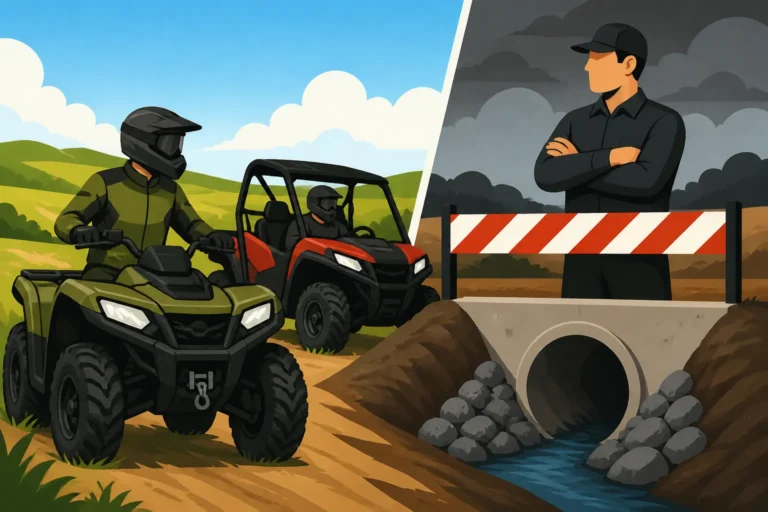
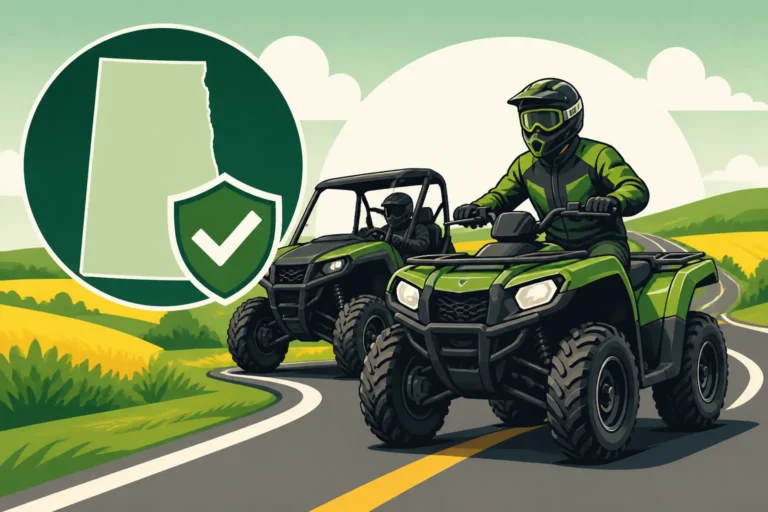
Riding an ATV or UTV in Saskatchewan brings an incredible sense of freedom, but it also comes with a clear set of responsibilities, especially when it comes to safety gear. One common area of confusion for riders, particularly those transitioning from older machines or trying out new UTVs, is eye protection – specifically, when that handy windshield or full enclosure on your side-by-side counts as eye protection, potentially replacing the need for traditional goggles. This guide will dive deep into Saskatchewan's rules to clarify when a machine's screen can fulfill the eye protection requirement and when you absolutely need to reach for those goggles.
The Nuance of Eye Protection: When Your Machine's Screen Steps Up
It’s a common scenario: you’ve just invested in a shiny new side-by-side, complete with a full windshield and maybe even a cab enclosure. You feel shielded from the elements, the dust, and those pesky bugs. So, naturally, you might wonder if you still need to don a pair of goggles. The answer, as with many things in the world of ATV regulations, isn't always a simple yes or no, but rather depends on the specifics and interpretation of the rules designed to keep you safe.
The Letter of the Law: What Saskatchewan Requires for Eye Protection
Saskatchewan's legislation is pretty straightforward when it comes to the basic requirement: if you're operating an all-terrain vehicle, you need to wear appropriate eye protection. The goal is to keep your eyes safe from whatever the trail throws at you—dust, rocks, branches, insects, even sudden splashes of mud. Without adequate protection, these can cause serious injury, momentary blindness, or distract you at a critical moment, leading to an accident.
Historically, "eye protection" almost exclusively meant goggles. These were the standard, universally understood way to keep your peepers safe while bouncing around on an open quad. The expectation was, and largely still is, that your eyes should be covered by something specifically designed to shield them from impact and foreign objects, much like a safety class might require [Saskatchewan Helmet and Eye Protection Rules].
However, the Act, in its core definitions, doesn't get into the nitty-gritty of what specific type of eye protection is required, leaving some room for interpretation as machines evolve. It simply mandates "eye protection" and a helmet that meets accepted standards. This creates a bit of a grey area, particularly for modern UTVs that offer more integrated forms of protection than the traditional ATV.
Interpreting "Goggles" in the Age of Modern Machines
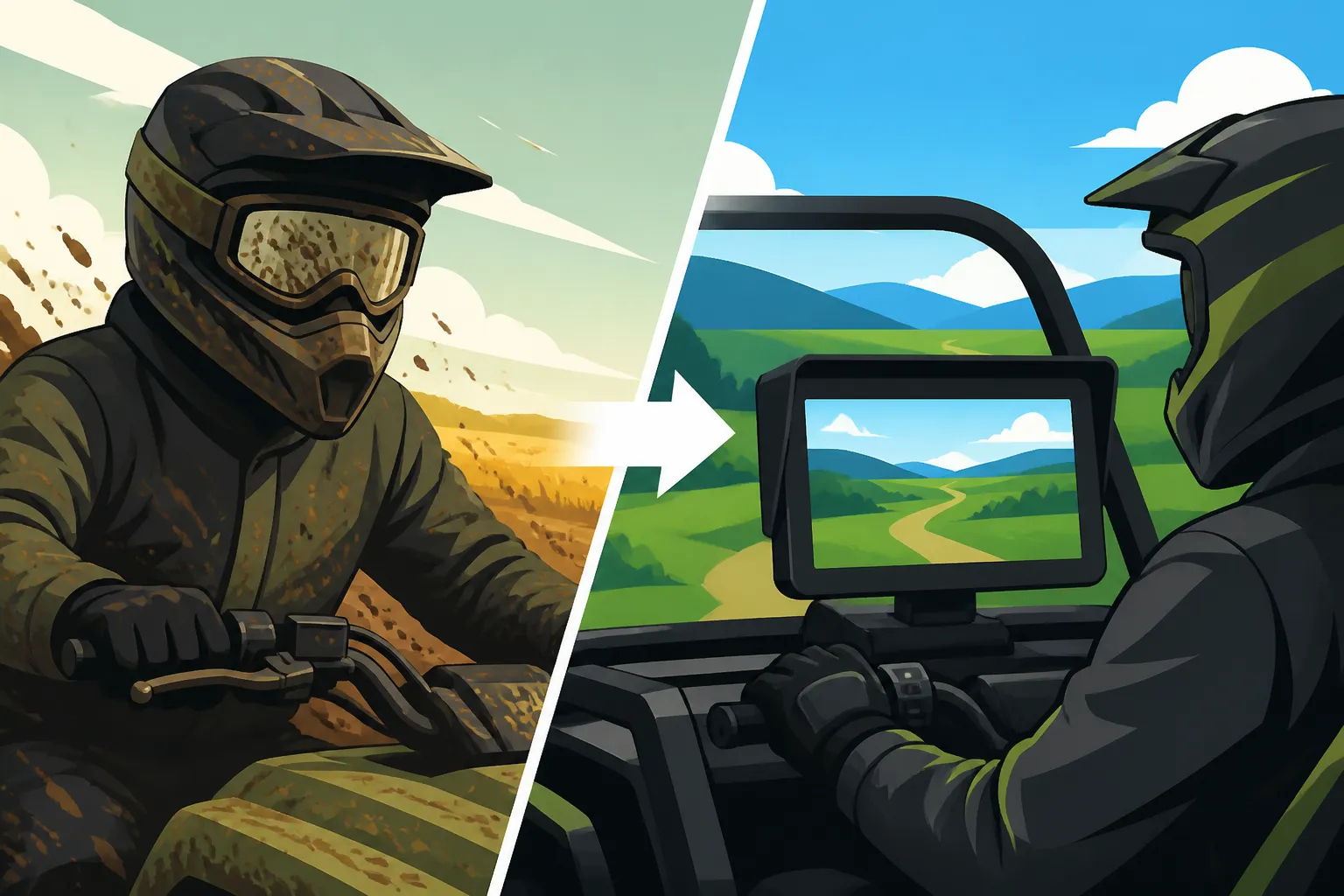
Here's where it gets interesting for those of us riding modern machines, especially UTVs with factory or aftermarket windshields. Many riders argue, quite reasonably, that a full, sturdy windshield acts as substantial eye protection, far more robust than a pair of goggles in some respects. For example, if you're driving a UTV with a full, fixed windshield from a company like SuperATV, it's designed to keep debris, wind, and rain out of the cabin, effectively protecting the occupants' eyes.
The key to this interpretation often lies in the type of screen. Is it a full, hard-coated polycarbonate windshield that is securely mounted and provides continuous protection, similar to what you'd find in a car? Or is it a flimsy half-windshield, a mesh screen, or something that leaves large gaps for debris to enter? Generally, if the screen offers full, continuous protection against impacts and airborne particles, and is securely affixed to the machine, it can often be considered to meet the spirit of the eye protection requirement. Think of it like a full-face helmet visor—it's not "goggles," but it certainly provides eye protection.
However, it's crucial to understand that not all screens are created equal. A small deflector might only protect your chest, leaving your eyes exposed, while a full, properly installed enclosure effectively creates a protective bubble. The spirit of the law is about preventing injury, so if your machine's setup achieves that, you're generally on solid ground. This is why many manufacturers and aftermarket companies, including SuperATV, design their windshields with durability and occupant protection in mind.
The "Why" Behind the Rule: Protecting Your Vision
The fundamental reason for mandatory eye protection is simple: safety. When you're out on the trails or even just moving across a field, your eyes are incredibly vulnerable. Picture this: you're cruising down a gravel trail, and the rider in front of you kicks up a cloud of dust and small stones. Without eye protection, those particles hit your eyes like tiny missiles, causing immediate pain, irritation, and potentially scratching your cornea.
Beyond the immediate hazards, there's the broader issue of sustained exposure. Wind can dry out your eyes, reducing comfort and clarity. Insects, especially in summer, can fly directly into your face. And if you're riding through wooded areas, low-hanging branches are a constant threat. Any of these scenarios can cause a momentary lapse in concentration, which at speed, can have serious consequences. The rule isn't there to be an inconvenience; it's there to ensure you can see where you're going and react safely to changing conditions.
Beyond the Screen: Other Essential Eye and Head Protection Rules
While a machine's screen might help with eye protection, it’s just one piece of the puzzle. Saskatchewan's regulations cover a broader spectrum of head and eye safety for ATV and UTV riders, ensuring a comprehensive approach to protection. It's not just about what covers your eyes, but how your entire head is protected, and how that protection performs under various riding conditions.
Helmet Requirements: More Than Just a Hat
Regardless of whether your machine has a windshield or not, a helmet is almost always a non-negotiable piece of gear when riding an ATV or UTV in Saskatchewan. The law mandates that operators and passengers wear a helmet that meets accepted safety standards. This isn't just any helmet; it needs to be one designed for motorized recreational vehicles, often certified by standards bodies like DOT, Snell, or ECE. A bicycle helmet, for instance, won't cut it.
A properly fitted and fastened helmet provides crucial protection against head injuries in the event of a rollover or impact. It works in conjunction with eye protection to create a protective shell for your most vital sensory organs and brain. Even if you're riding a UTV with a full cab, a helmet is still highly recommended, and legally required in many contexts, because while the cab offers protection, it doesn't eliminate the risk of head injury in a severe incident. Remember, the helmet needs to be securely fastened to do its job, not just sitting on your head for show.
Tinted Eyewear and Night Riding: A Clear View is Key
Another critical aspect of eye protection, often overlooked, concerns tinted eyewear, especially during night riding. While tinted goggles or visors are fantastic for cutting glare on bright, sunny days, they become a significant hazard after sunset. Saskatchewan law, for good reason, generally restricts the use of tinted eye protection at night. [Saskatchewan Tinted Eyewear at Night] clearly outlines that tinted eyewear or visors should not be used when riding after dark.
The reason is simple: tinted lenses reduce the amount of light reaching your eyes, impairing your vision in low-light conditions. What might seem like a slight tint in daylight can turn into a serious visibility issue at night, making it difficult to see obstacles, other riders, or potential hazards on the trail. If you frequently ride into the evening or after dark, always carry a clear visor or pair of clear goggles, and swap them out before the sun goes down. Your ability to see clearly is paramount to your safety and the safety of others.
Passenger Protection: Everyone Needs to See Clearly
When you have a passenger on your ATV or UTV, their safety is just as important as yours, and that includes their eye protection. Saskatchewan law is explicit: any passenger on an ATV or UTV must also wear appropriate eye protection and a helmet. It's not enough for just the operator to be geared up; everyone on the machine needs to be protected. [Saskatchewan Rules for a Child Passenger] reinforces this point, emphasizing that especially for younger riders, proper gear is non-negotiable.
This means if your UTV's screen is your primary eye protection, it must offer the same level of protection for your passenger(s). If it's a full enclosure, that's likely covered. But if you're on a two-up ATV, or a UTV with only a half-windshield, your passenger will definitely need their own set of goggles. Never assume that proximity to you or a partial screen is enough. Always ensure everyone on board has their own, properly fitting helmet and adequate eye protection for the conditions.
Practical Considerations for Riding with a Machine Screen
While a machine's screen can offer robust eye protection, it's not a set-it-and-forget-it solution. Real-world riding conditions in Saskatchewan introduce variables that can challenge the effectiveness of any screen. Understanding these practical aspects is crucial for making informed decisions about your eye protection, ensuring safety and an enjoyable ride.
Visibility Challenges with Windshields and Screens
A pristine windshield offers a clear view, but how long does it stay pristine out on the trails? Windshields, whether on a UTV or an enclosed ATV, can quickly become compromised by mud, dust, rain, and even glare from the sun or reflections. A thick layer of mud splashed across your field of vision can render a windshield useless for seeing the trail ahead, forcing you to crane your neck or even stop to clean it. Rain can bead up, distorting your view, and a low sun can create blinding glare off the plastic or glass, making it hard to discern obstacles.
Furthermore, over time, screens can scratch or haze, particularly if they're not maintained properly. Scratches, especially from aggressive cleaning or impacts from debris, can significantly impair visibility, making night riding particularly hazardous due to light refraction. This is where durable, hard-coated options, like those offered by SuperATV, can make a real difference, resisting scratches and prolonging clarity. Some riders even install aftermarket wiper kits for their UTV windshields to combat rain and mud, a testament to the practical challenges of maintaining visibility on the trail.
The Goggles Advantage: Why Many Riders Still Opt for Them
Despite the allure of a machine's screen, many seasoned riders still swear by traditional goggles, even in UTVs with full windshields. There are several compelling reasons for this. Firstly, goggles offer a much wider, unobstructed field of vision compared to looking through a windshield that might have a frame or wipers. When you're navigating technical terrain, every bit of peripheral vision helps.
Secondly, goggles provide a direct, sealed barrier against dust, mud, and wind directly on your face. While a windshield keeps the bulk out, fine dust can still swirl within a UTV cabin, and if you're on an open ATV, only goggles will offer that personal, sealed protection. For muddy conditions or intensely dusty trails, goggles prevent irritation and keep your eyes clear far more effectively. They also offer better ventilation, reducing fogging that can plague some helmet visors or enclosed UTV cabins in certain conditions. In situations where visibility is paramount and conditions are extreme, goggles often prove superior.
Making the Right Choice for Your Ride and Conditions
Ultimately, the choice between relying solely on a machine's screen or adding traditional goggles often comes down to a careful assessment of your specific riding conditions and personal comfort. If you're riding a UTV with a high-quality, full windshield and possibly a roof and doors, in conditions that aren't excessively muddy or dusty, the screen might very well provide adequate legal and practical eye protection. For example, a leisurely ride on a groomed trail in decent weather would likely be fine with just the screen.
However, if you're venturing into extremely dusty environments, through deep mud, or tackling aggressive bush trails where branches are a constant threat, goggles offer an added layer of security that a screen simply can't match. It's also wise to consider what an officer might look for during a spot check; while a windshield is often acceptable, carrying goggles as a backup is never a bad idea. [Saskatchewan Equipment Checks by Officers] will often include a look at your safety gear. Many riders choose a hybrid approach, using the windshield for general riding but having goggles on hand for when conditions get tough, ensuring they're always prepared for the unexpected.
Here's a quick comparison to help you weigh your options:
| Feature | Machine Screen (Full Windshield) | Goggles (Traditional) |
|---|---|---|
| Primary Use | UTVs, enclosed ATVs, general trail riding, weather protection. | All ATVs/UTVs, dusty/muddy conditions, aggressive riding. |
| Eye Protection | Good against larger debris, wind, and rain. | Excellent against dust, fine particles, mud splashes, small impacts. |
| Visibility | Can be affected by mud, rain, glare, scratches. | Wide, unobstructed view; less prone to mud obscuring view directly on eyes. |
| Comfort | Reduces wind blast and cold, can offer a more "enclosed" feel. | Can be hot, may fog, but offer better ventilation. |
| Legality | Often meets eye protection requirement if full and robust. | Always meets eye protection requirement. |
| Maintenance | Requires cleaning, can scratch, may need wipers. | Easier to clean or replace lenses, less surface area to maintain. |
| Cost | Part of machine or aftermarket accessory (significant). | Relatively inexpensive, easily replaceable. |
| Best For | Leisurely rides, mild conditions, keeping elements out. | High-dust, muddy, aggressive, or high-impact risk riding. |
Ultimately, understanding Saskatchewan's rules and pairing them with practical common sense will keep you safe and legal on the trails.
Disclaimer
This article is for general informational purposes only and does not constitute professional advice. Laws, prices and regulations vary by location and change over time. Consult a qualified professional for guidance on your specific situation.