Saskatchewan Rules for Riding a Sand Hill
The allure of Saskatchewan's vast, open spaces is undeniable, and for many ATV and UTV enthusiasts, the thought of conquering rolling sand dunes is a thrilling prospect. However, the reality of where and how you can ride in these unique environments isn't always as clear-cut as the desire to explore. This comprehensive guide will cut through the confusion, explaining the specific rules, land access challenges, and responsible riding practices you need to know before you ever drop a tire into Saskatchewan's beautiful, yet often fragile, sand hills.
The Lure of Saskatchewan's Sand Hills and Access Realities
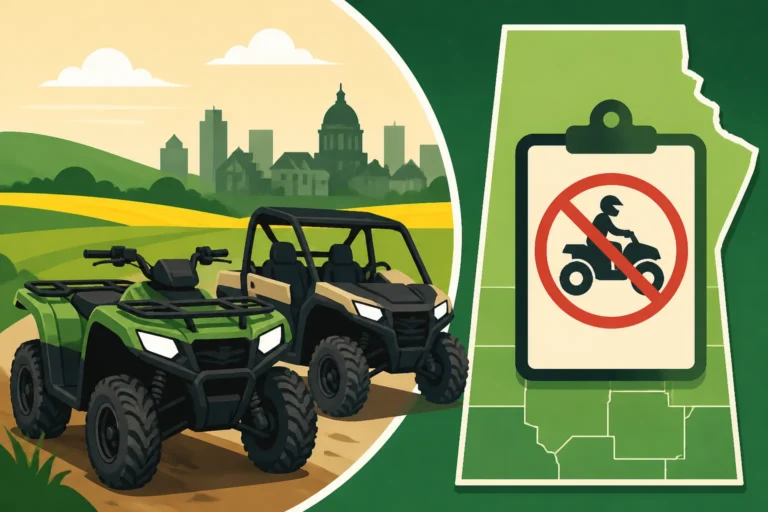
Saskatchewan might be known for its endless prairies and golden fields, but hidden within its diverse landscape are fascinating geological features: sand hills. These aren't just patches of loose dirt; they are dynamic ecosystems that offer a truly unique riding experience. However, before you even load up your machine, it's absolutely crucial to understand the lay of the land, both geographically and legally. The province doesn't have a free-for-all approach to off-road recreation, especially in sensitive areas like sand dunes.
Where Are Saskatchewan's Sand Hills and What Makes Them Unique?
When most people think of sand hills in Saskatchewan, their mind immediately jumps to the Great Sand Hills, located in the southwestern part of the province, near Leader and Sceptre. This incredible area is home to Canada's second-largest set of active sand dunes, stretching for over 1,900 square kilometers. Its unique landscape, carved by wind and time, creates a captivating mix of shifting sands, stabilized grasslands, and wetlands, supporting a diverse array of plant and animal life, some of which are rare or endangered. It’s an iconic, almost otherworldly place, but its ecological sensitivity is precisely why unrestricted riding is generally not permitted.
Beyond the Great Sand Hills, there are smaller, less prominent sand dune formations scattered across the province, often near rivers or ancient glacial lakebeds. These might not be as grand in scale, but they still present similar challenges and considerations regarding access and environmental impact. The temptation to explore these unique terrains is high, but the golden rule of off-road riding in Saskatchewan always applies: know before you go, and always assume land is private or restricted unless explicitly proven otherwise. This proactive approach saves you a headache and potential fines.
Understanding Land Ownership: Crown, Private, or Protected?
This is perhaps the single most important factor when considering riding in any sand hill area, or anywhere off a public road, for that matter. In Saskatchewan, land falls broadly into three categories: Crown land, private land, and protected areas (which can be either Crown or privately owned but designated for conservation). Each comes with its own set of rules, and largely, sand hills fall into categories that make riding challenging or impossible.
Many significant sand hill areas, like parts of the Great Sand Hills, are considered Crown land, but this doesn't automatically mean open access for ATV/UTV riding. Often, these lands are under specific management plans, such as grazing leases, or have special ecological designations that prohibit or severely restrict motorized vehicle use. [Saskatchewan Rules for Riding Crown Land] outlines these complexities, emphasizing that you absolutely must secure permission, even on Crown land, if it's leased or under a special order. Without explicit permission from the leaseholder or the relevant provincial authority, you could be trespassing.
Private land is exactly what it sounds like: owned by an individual or company. Riding on private land without the express, written permission of the landowner is trespassing, full stop. You wouldn't want someone riding through your yard, and a farmer or rancher feels the same about their pasture or crops. Some sand hills exist entirely within private holdings, making access impossible without a direct invitation. Finally, many fragile sand dune environments are designated as protected areas, ecological reserves, or critical habitat for specific species, which almost universally means a complete ban on motorized vehicles. Knowing this upfront can save you a wasted trip and prevent damage to irreplaceable habitats.
Navigating Designated vs. Undesignated Riding Areas
Unlike some other provinces, Saskatchewan does not have a widespread network of designated, provincial ATV trails that specifically traverse sand hill environments. The few designated trails you might find are typically within provincial parks and are often carefully managed to prevent environmental degradation. For instance, parks like Moose Mountain Provincial Park or Narrow Hills Provincial Park offer trails, but these are generally bush and forest trails, not open sand dune riding areas. [Saskatchewan Provincial Park Machine Rules] will give you a good overview of how strictly these areas are managed.
The vast majority of sand hill terrain in Saskatchewan is undesignated for ATV use. This means there aren't established routes, official staging areas, or infrastructure built for off-road recreation. When you encounter an undesignated area, the default assumption should always be that riding is either prohibited, requires explicit permission, or is otherwise restricted. Attempting to create your own trails in such environments not only puts you at risk of fines for trespassing or environmental damage but also severely harms these delicate ecosystems, leading to erosion and habitat destruction. It's a responsible rider's duty to seek out and stick to areas where riding is explicitly permitted, even if it means foregoing the unique experience of a sand dune.
General ATV Regulations That Apply to Sand Hill Riding
Even if you manage to find a rare, legally accessible sand hill area, you are not exempt from Saskatchewan’s core ATV operation regulations. These rules are in place for your safety, the safety of others, and the protection of the environment, regardless of the terrain you're on. Too many riders assume that "off-road" means "off-rules," and that's a dangerous misconception that can lead to tickets, accidents, and serious liability issues. Understanding these basics is fundamental to any legal riding experience in the province.
Operator Requirements: Age, Licensing, and Supervision
Let's start with who can actually be behind the handlebars. In Saskatchewan, there are strict age requirements for operating an ATV or UTV. Generally, you need to be at least 16 years old to operate an ATV without direct adult supervision. Riders between 12 and 15 years old can operate a machine, but only if they are directly supervised by an adult who holds a valid driver's license for at least 365 days. If a rider is under 12, the rules become even more stringent. It's not just about age, but also about knowing how to safely handle the machine. [Saskatchewan ATV Age Requirements] and [Do You Need a Licence for an ATV in Saskatchewan?] dive deeper into these specifics, which are critical for anyone planning a ride, especially in challenging environments like sand.
And what about licensing? While you don't need a specific "ATV license" in Saskatchewan, you do need a valid driver's license to operate an ATV on public land, which includes areas like ditches, grid roads, and certainly any accessible sand hill that isn't purely private property. The supervisor rule for younger riders also emphasizes the importance of a licensed adult. Ignorance of these rules is not an excuse when a peace officer pulls you over, whether you're on a dirt trail or a sandy slope. Always carry your documentation – driver's license, proof of ownership, and insurance – with you, as an officer may request it.
Essential Safety Gear: Helmets and Eye Protection
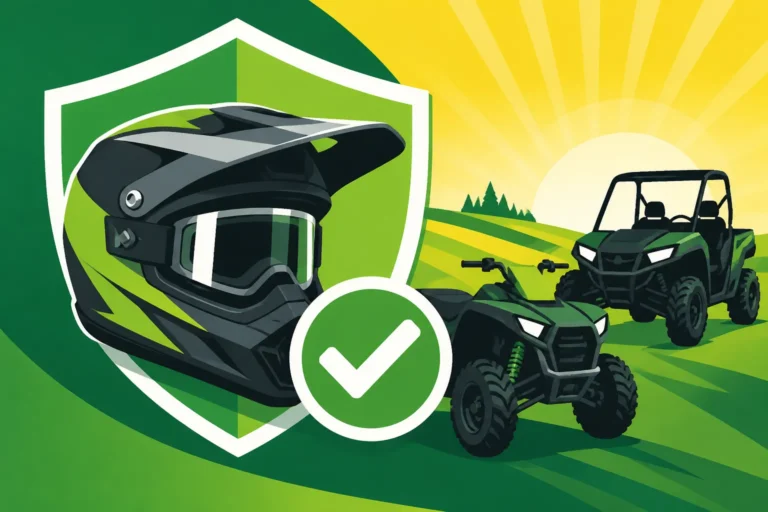
This one isn't optional, and it's for your own good. In Saskatchewan, it is mandatory for all ATV and UTV operators and passengers to wear an approved helmet. This isn't just a suggestion; it's the law. The helmet must be designed for motorized recreational vehicles, such as those meeting CSA, DOT, or Snell standards, and it must be properly fastened. A bicycle helmet won't cut it. Sand riding, with its unpredictable surfaces and potential for rollovers, makes a helmet an even more critical piece of gear. [Saskatchewan ATV Helmet Law] reinforces this.
Equally important is eye protection. Flying sand, dust, insects, and even small debris kicked up by your own tires or those of others can seriously impair your vision and cause injury. Goggles or a full-face shield are a must. They should be clear or appropriately tinted for the conditions – never wear dark tinted eyewear at night, for example. Without proper eye protection, your ability to react to sudden changes in the terrain is compromised, which is particularly hazardous on dynamic surfaces like sand. Don't cheap out on safety gear; it's an investment in your well-being.
Insurance and Liability: What You Need to Know
While Saskatchewan doesn't require provincial registration for ATVs (unlike snowmobiles), it does mandate minimum liability insurance. Every ATV and UTV operated in Saskatchewan must carry at least $200,000 in third-party liability insurance. This is non-negotiable. If you're involved in an accident and don't have this coverage, you could be personally on the hook for substantial damages and legal fees. Sand hills, with their challenging terrain, present an increased risk of accidents, whether it's a rollover or a collision with another rider or object.
This insurance protects you if you cause damage to property or injury to another person. It doesn't, however, cover damage to your own machine or injuries to yourself unless you have additional collision or personal injury coverage, which is highly recommended for ATV owners. [Saskatchewan ATV Insurance Requirements] delves into this essential topic. Always carry proof of your insurance with you. An officer conducting [Saskatchewan Equipment Checks by Officers] on the trail will absolutely ask for it. Thinking about the potential financial devastation of a serious accident without insurance is enough to make any responsible rider ensure they're adequately covered.
Environmental Stewardship and Responsible Sand Hill Riding
Riding in sand hills is a privilege, not a right, and it comes with a significant responsibility to protect these unique and often fragile environments. Unlike a hard-packed gravel road or a dense forest trail, sand dunes are incredibly susceptible to erosion, habitat disruption, and long-term damage from irresponsible use. As off-road enthusiasts, we need to be the strongest advocates for sustainable riding, ensuring these natural wonders can be appreciated for generations to come. Ignoring these principles risks further restrictions and closures, which would be a loss for everyone.
Protecting Fragile Ecosystems: Why It Matters
Sand hills are delicate ecosystems, home to specialized plant and animal species that have adapted to these harsh conditions. Many of these species, like the Ord's kangaroo rat in the Great Sand Hills, are considered rare or endangered. The vegetation that grows in these areas, even seemingly sparse grasses, plays a crucial role in stabilizing the sand and preventing erosion. When ATVs or UTVs ride indiscriminately, they can destroy this vegetation, leading to blowouts and accelerated dune movement, altering the landscape permanently.
Beyond the visible damage, motorized vehicles can disrupt wildlife patterns, destroy nests or burrows, and introduce invasive species if machines aren't properly cleaned. The dust generated can also impact air quality and settle on delicate plant life. A responsible rider understands that these environments are not just playgrounds but vital habitats. The allure of untouched dunes must be tempered with a deep respect for the life they support. We're visitors, and our goal should be to leave no trace, allowing the ecosystem to continue thriving long after we've packed up our machines.
Staying on Designated Routes and Avoiding Sensitive Areas
This really goes hand-in-hand with land ownership and protecting ecosystems. If you are fortunate enough to find an area with designated trails through sand, it is paramount that you stick to them. These routes have been planned to minimize impact and avoid the most sensitive areas. Deviating from a designated trail, even for what seems like a short detour, can destroy years of conservation efforts and contribute to erosion.
In many sand hill regions, particularly those with environmental designations, there will be explicitly marked "no-go" zones. These might be areas of critical habitat, nesting sites, or fragile vegetation. Always obey these signs. If an area isn't marked, but you observe sensitive plants, signs of wildlife, or particularly loose, unstable sand, err on the side of caution and avoid it. A great resource for general best practices for responsible riding is captured in guides like [Saskatchewan Trail Etiquette Locals Expect], which emphasize respect for the land and other users.
Minimizing Impact and Practicing Tread Lightly Principles
The "Tread Lightly!" principles are a fantastic framework for responsible outdoor recreation, and they are especially pertinent when riding in sensitive environments like sand hills. These principles encourage us to:
- Travel and recreate with minimum impact: Stay on existing roads and trails.
- Respect the environment and the rights of others: Yield to other recreationalists and wildlife.
- Educate yourself: Plan ahead and prepare.
- Avoid sensitive areas: Dunes, wetlands, and animal habitats.
- Do your part: Pack out what you pack in, and help maintain the integrity of the land.
Practically, this means inspecting your machine for any loose debris or potential fire hazards, ensuring your [Saskatchewan Spark Arrestor Guidance] is up to spec to prevent wildfires, and making sure your machine is clean before entering and after leaving the area to prevent the spread of invasive species. Think about the impact of your tires – while some aftermarket tires like those from SuperATV are designed for aggressive traction, in sensitive areas, this can mean more churning and damage if not used thoughtfully. Low tire pressure, while good for flotation in sand, also requires careful control to avoid unnecessary digging. Every rider has a role to play in preserving these natural treasures.
Preparing Your Machine and Yourself for Sand Riding
Sand riding presents unique challenges to both your machine and your riding skills. The soft, shifting terrain can quickly bog down a vehicle not properly equipped, and it demands a different approach to control and throttle management than a hard-packed trail. Preparing your ATV or UTV specifically for sand will greatly enhance your safety, enjoyment, and the longevity of your machine. It's not just about showing up; it's about being prepared.
ATV/UTV Modifications and Maintenance for Sand
Riding in sand is incredibly hard on your machine, so some proactive steps are essential. First, tires are paramount. Paddle tires are ideal for serious sand dunes as they provide maximum propulsion, but general off-road tires can work if you air them down significantly to increase your footprint and flotation. However, be mindful of going too low, as you risk rolling a bead or damaging the tire. A good quality air compressor is your friend for adjusting pressure on the fly. Heavy-duty components, such as A-arms or tie rods, perhaps from a brand like SuperATV, can withstand the extra strain and impacts that can occur in varied sand conditions, where hidden obstacles might lurk under the surface.
Next, consider your air intake. Sand is fine and abrasive, and it can quickly clog or damage your air filter, leading to engine wear. A pre-filter or a dedicated sand filter, often designed to be easily cleaned or replaced, is a very wise investment. Regularly cleaning your air filter after every sand ride, or even during a long day, is crucial. Additionally, ensure all your seals and bearings are in good condition to keep sand and moisture out of crucial components. Sand can get everywhere, so after a day of riding, a thorough cleaning, including flushing radiators and checking pivot points, is non-negotiable.
Essential Gear to Carry for Sand Hill Adventures
Beyond your helmet and eye protection, there are several pieces of gear that are non-negotiable for sand hill riding. A shovel is absolutely essential for digging yourself out if you get stuck – and you will get stuck. Recovery straps and a winch (a powerful one from SuperATV might be a great investment) are also vital, especially if you're riding with others. Nothing is more frustrating than being stranded because you can't self-recover. Always carry enough fuel for your planned trip, plus a reserve, as sand riding consumes more fuel than typical trail riding due to the increased effort the engine has to make.
Other important items include a first-aid kit, plenty of water (dehydration happens quickly in open, dusty environments), basic tools, and a communication device that works in remote areas (a satellite messenger is ideal where cell service is spotty). Given the potential for punctures or other issues, a tire repair kit and a portable air compressor are also wise additions. Don't forget sunscreen and appropriate clothing to protect yourself from the elements.
Riding Techniques for Sand: Safety and Control
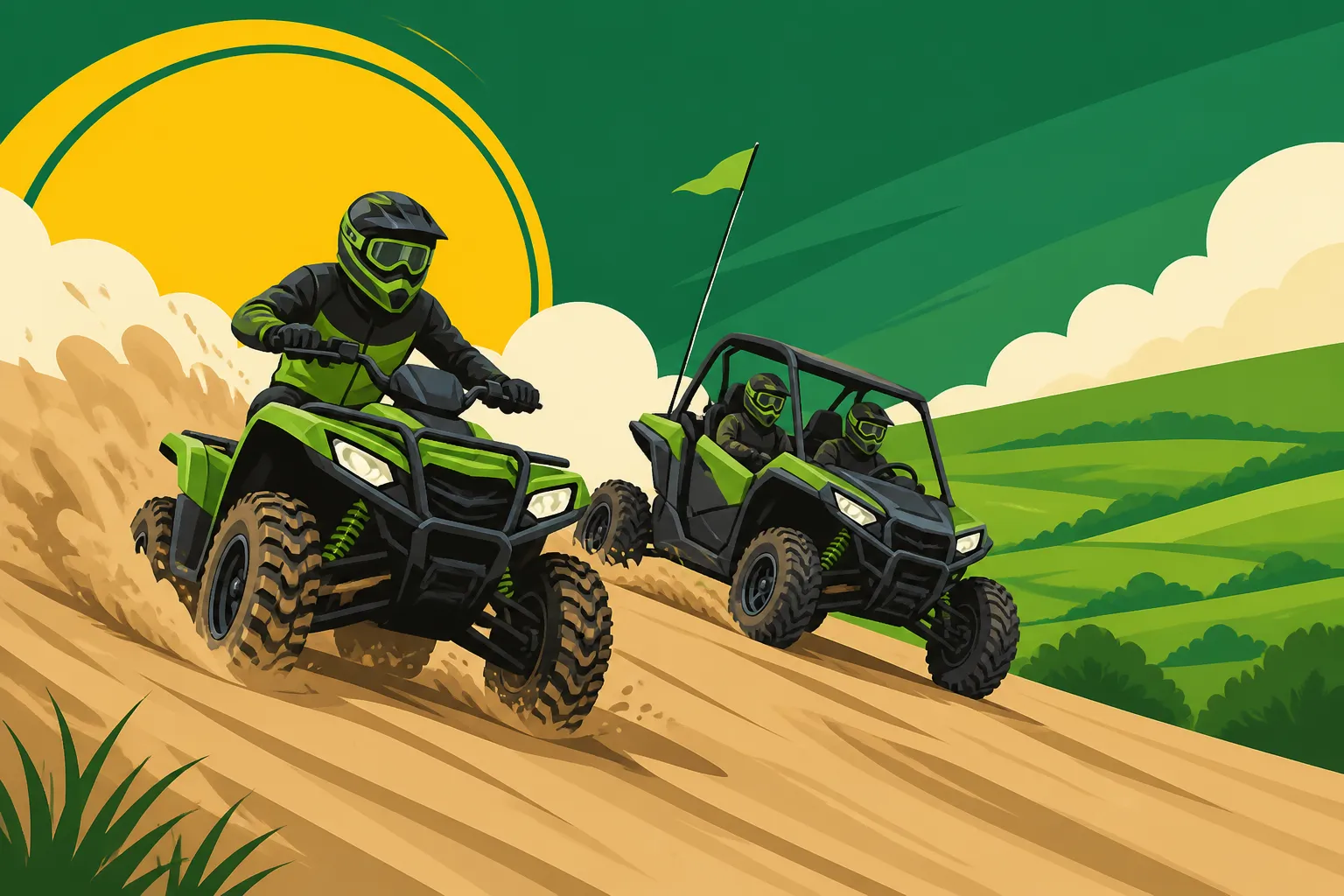
Riding in sand is a unique skill that takes practice. The fundamental difference is the lack of traction and the constantly shifting surface. You'll generally want to maintain more momentum than on hard-packed trails, as stopping or slowing down too much can cause you to bog down. This doesn't mean speed is king; rather, it means consistent, controlled throttle. Leaning back slightly to keep the front end light can help with steering and prevent the front wheels from digging in too much, which can cause a "tuck."
When climbing hills, pick your line, commit to it, and maintain steady throttle. If you lose momentum or feel like you're going to get stuck, ease off the throttle and try to turn down the hill to prevent rolling backwards. Never try to power through if you're already losing traction, as this just digs you in deeper. Downhill, keep your speed in check and use engine braking combined with light, controlled application of your brakes. Always be aware of other riders, especially on dunes where visibility over crests can be limited. Never go over the crest of a dune without knowing what's on the other side. This careful approach to riding in sand ensures a safer and more enjoyable experience for everyone.
| Land Type | Typical ATV/UTV Access | Key Considerations for Sand Hills |
|---|---|---|
| Crown Land | Varies: Permitted with restrictions, or prohibited. | Often leased for grazing (requires lessee permission). May have ecological designations prohibiting motorized use. [Saskatchewan Rules for Riding Crown Land] |
| Private Land | Prohibited without explicit, written permission. | Most sand hills on private land are off-limits. Trespassing is illegal. |
| Protected Areas | Generally prohibited. | National/Provincial Parks, ecological reserves often ban ATVs entirely. Very high fines for non-compliance. [Saskatchewan Provincial Park Machine Rules] |
| Designated Trails | Permitted only on marked trails. | Rare in sand hill environments. If found, strictly adhere to trail boundaries to protect fragile ecosystems. |
| Municipal Land | Varies by local bylaw. | Check with the specific Rural Municipality or village for their rules. Some allow ditch riding, but sand hill specific bylaws are uncommon. |
Disclaimer
This article is for general informational purposes only and does not constitute professional advice. Laws, prices and regulations vary by location and change over time. Consult a qualified professional for guidance on your specific situation.