Why Skid Plates Matter on Rocky Northern Trails
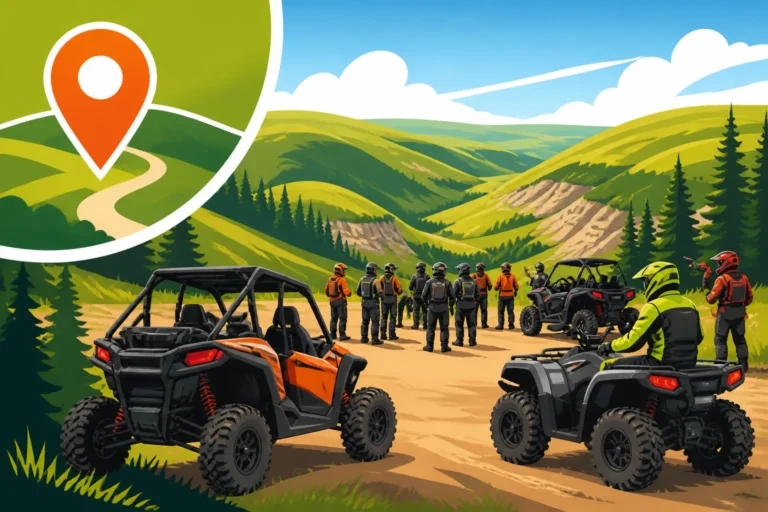
A rocky trail can turn a routine ride into a long walk back to the trailer if a sharp edge damages your ATV or UTV’s underside. On northern Saskatchewan routes, skid plates help protect vulnerable components from rocks, roots, and trail debris. This guide explains what they cover, how to choose a setup, and how to inspect it before and after a ride.
Why skid plates matter on northern Saskatchewan trails
The underside is exposed to more than large rocks
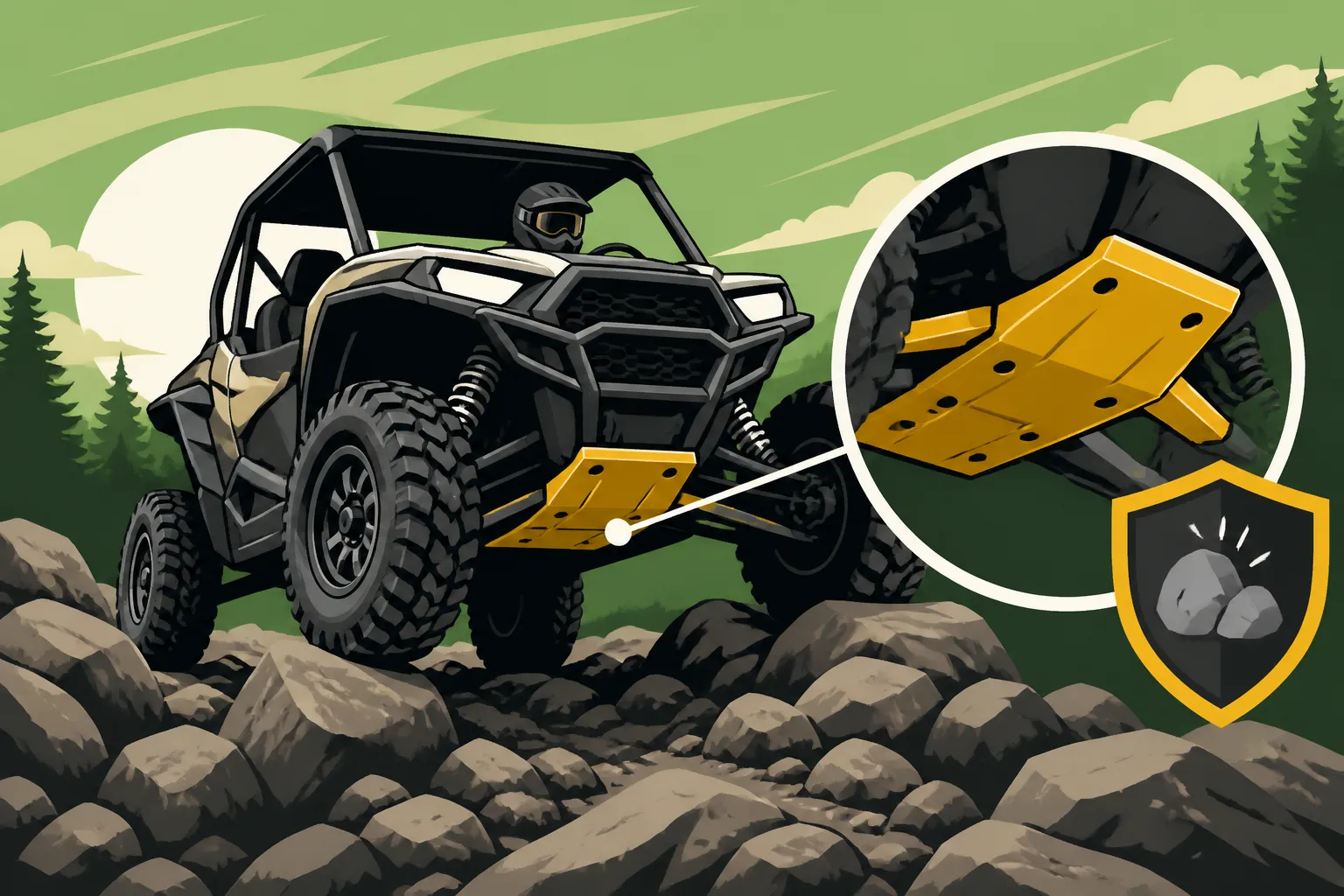
A skid plate is a protective panel fitted beneath an ATV or UTV. Depending on its design, it can shield parts such as the engine area, transmission, frame rails, and differentials. It does not make a machine invulnerable, but it can help prevent direct contact between vulnerable components and obstacles on the trail.
On rough northern routes, the hazards are not always dramatic boulders. A shallow rut can hide a sharp rock. A root can catch beneath the frame, and gravel thrown up by the front tires can strike exposed areas. Even a slow crawl over uneven ground can leave a machine resting on its belly, with weight pressing against a rock or raised section of trail.
That is where a plate can make a practical difference. It gives the underside a tougher surface to slide or bump against, reducing the chance that an obstacle will strike a component directly. If you ride in areas around Narrow Hills, Big River, or other northern Saskatchewan trailheads, think about the terrain you actually encounter rather than assuming every ride is smooth forest road. Local conditions vary, and a recently groomed route can change after rain, traffic, or seasonal closures.
Skid plates also matter because underbody damage can be difficult to notice while you are riding. A machine may still move after a hard impact, but a bent guard, cracked plastic, or damaged component can become a bigger problem later. Protection is one part of a broader ride plan that includes checking trail conditions, staying on permitted routes, and carrying basic recovery and repair supplies. For route planning, Saskatchewan Trail Conditions Before You Haul is a useful companion topic.
Protection is useful, but it is not permission to push harder
A skid plate should not be treated as a licence to drive over every obstacle. It cannot guarantee that a machine will clear a rock, prevent every impact, or protect every part of the drivetrain. A hard hit can still bend a plate into the component it is meant to protect, damage mounting points, or affect parts that the plate does not cover.
Riding technique still matters. Approach unfamiliar obstacles slowly, choose a line that avoids sharp edges where possible, and use a spotter when visibility is limited. On a side-by-side, the driver may not be able to see exactly what is beneath the centre of the machine. In that situation, stopping to check is often easier than trying to reverse out after the belly has settled onto a rock.
It also helps to remember that northern terrain is not uniform. A trail can move from soft ground to exposed rock, roots, and loose debris within a short distance. Do not assume a route is suitable for your machine simply because another rider completed it. Check the route’s current status and intended use before unloading, particularly when riding on club or designated park trails. Saskatchewan ATV Trail Map Downloads can help with planning, but a map does not replace posted signs, local instructions, or current closure information.
Choosing a skid plate for your ATV or UTV
Compare coverage, material, and service access
The right skid plate depends on your machine, how you use it, and what parts need protection. Some setups cover only the central underside; others include additional pieces for the front, rear, or vulnerable areas around the drivetrain. Before buying, check which components the kit actually covers and whether it is designed for your exact make, model, and year.
Material affects how a plate behaves and how it is maintained. Plastic and high-density polyethylene plates are often valued for sliding over obstacles and resisting corrosion. Aluminum plates can provide a rigid barrier but may show dents after impacts. Steel is strong but can add weight and may need attention to prevent corrosion. These are broad trade-offs, not guarantees: thickness, shape, mounting design, and fit all influence real-world performance.
| Plate type | Possible strengths | Trade-offs to consider | Good questions to ask |
|---|---|---|---|
| Plastic or high-density polyethylene | Can slide over obstacles and does not rust | May be less suited to some severe impacts; check thickness and mounting | Does it cover the areas I need, and can it be inspected easily? |
| Aluminum | Rigid protection and broad availability for many machines | Can dent, and edges or fasteners need inspection after a hit | Are the mounting points reinforced and accessible? |
| Steel | Robust barrier for demanding use | Adds weight and needs care against corrosion | Will the extra weight affect my machine or riding style? |
| Factory or model-specific kit | Usually designed around the machine’s fit and service points | Coverage varies; a factory part may not protect every exposed area | What is included, and what remains exposed? |
Do not choose a plate based only on the material name. Look at its shape, attachment points, seams, access openings, and how easily it can be removed for maintenance. A plate that blocks routine inspection or traps mud can create new headaches. If you frequently ride wet, muddy routes, easy access for cleaning and checking is especially important.
Match the setup to the machine and the ride
An ATV used for occasional trail rides may need a different setup from a side-by-side carrying passengers and gear over rough ground. A UTV’s longer wheelbase and wider underside can change how it meets an obstacle. Attachments, suspension setup, tire size, and ground clearance also affect what is exposed. Start with the owner’s manual and a parts listing that identifies your exact machine, then compare the coverage with the terrain you expect to ride.
A useful way to decide is to think through a typical day. Are you staying on established, relatively smooth trails, or do your rides regularly include rocky sections, roots, and uneven approaches? Do you ride alone, or with a group that can help if a machine gets stuck? Do you carry tools and know how to make a basic repair? These questions do not replace proper protective gear, but they help establish whether additional underbody protection is worthwhile.
If you use digital mapping, onX Offroad may help you organize routes or keep track of planned rides where its available map information suits your area. Use it as a planning aid rather than confirmation that a route is open or legal. Check trail and land-access information through the relevant park, club, land manager, or local authority before you go. For more on designated routes and access, see Saskatchewan Parks With Designated Trails Only and Saskatchewan Crown Land Riding Explained.
Installing and checking a skid plate
Fitment and installation deserve careful attention
A plate that is the wrong shape or mounted incorrectly can rattle, shift, or fail to protect the areas you intended to cover. Before installation, confirm the kit matches the machine’s model and year. Compare the supplied hardware with the instructions, and check whether existing guards or accessories need to be removed or repositioned.
Follow the manufacturer’s instructions for fasteners and tightening. Avoid guessing at torque values or substituting hardware without checking that it is suitable. Pay attention to clearance around moving parts, exhaust components, drain points, and service access. If the plate contacts another component or leaves a fastener sitting awkwardly, stop and resolve the fit rather than hoping vibration will not make it worse.
After fitting the plate, inspect it before the first ride. Check that it sits securely, does not interfere with steering or suspension movement, and does not block an opening that must remain clear. If you are uncertain about fitment or installation, a qualified dealer or mechanic can inspect the setup. A careful installation is particularly helpful when a machine is new to you or has already been modified.
Make inspection part of your ride routine
Before heading out, look for loose fasteners, cracks, deep gouges, and signs that the plate has shifted. Tap or move the plate gently where appropriate to check for unusual looseness. Check that openings are not packed with mud, leaves, or debris. A quick inspection can reveal a problem before vibration and another impact make it worse.
After a difficult section, take a moment to look underneath when it is safe to do so. A fresh scrape may be normal, but a bent edge, distorted mounting point, or plate pressed tightly against a component deserves closer attention. If the machine develops a new rattle, fluid leak, burning smell, or change in handling after an impact, stop and assess it rather than continuing the ride as if nothing happened.
Cleaning is part of inspection. Mud and vegetation can conceal cracks or hold moisture against metal parts. Once the machine is parked, remove debris and check the plate’s seams and attachment points. If your route planning includes onX Offroad, you can also use your notes or saved route details to record where you noticed rough sections. That can help you prepare better next time, but always confirm current route conditions through local sources. Before a northern trip, Saskatchewan Trail Closures After a Storm and Saskatchewan Riding After Heavy Rain are worth reviewing.
Preparing for a rocky ride
Pair underbody protection with sensible equipment
A skid plate is only one part of a trail-ready machine. Tires in good condition, working brakes, secure steering components, suitable lighting, and a properly maintained drivetrain matter just as much. Carry a tool kit suited to your machine, a tire-repair option, basic first aid supplies, water, and recovery equipment appropriate to the route and group. Make sure everyone knows how to use the gear before an emergency.
For longer rides, plan around the group’s least experienced rider and the least capable machine. A route that feels manageable to a seasoned rider on a well-equipped ATV may be frustrating for someone on a different machine or with less experience. Build in time to stop, check the trail, and turn back if conditions are worse than expected. Bring a paper map or another backup navigation option if your route takes you into areas where connectivity may be unreliable.
A mapping app such as onX Offroad can be part of that preparation, but do not depend on a single device or map layer. Download or save what you need before leaving service, carry a charged phone or GPS device, and confirm access rules and closures separately. Tell someone where you are going and when you expect to return.
Stay within the route’s access rules
A protective plate does not change where you are allowed to ride. Use designated trails where required, respect signs and closures, and get permission before entering private land or occupied grazing leases. If a trail is closed, muddy, or visibly being damaged by traffic, turning around protects both the land and future access for riders.
That approach matters in Saskatchewan, where access can depend on the specific land, trail system, park rules, and current conditions. Before hauling north, review Saskatchewan Wildfire Closures and Riding and check with the park office or trail organization responsible for your destination. Keep Saskatchewan Trail Etiquette Locals Expect in mind as well: considerate riding helps preserve trails and reduces conflict with other users.
Skid plates are most valuable when they are selected for the machine, fitted correctly, and checked regularly. They can reduce the risk of direct underbody damage, but they cannot replace careful line choice, route research, or good judgment. If the plate takes a significant hit, inspect it and the parts behind it before continuing. A few minutes spent checking the underside at the trailhead or after a rough section is easier than discovering a problem far from the truck.
Disclaimer
This article is for general informational purposes only and does not constitute professional advice. Laws, prices and regulations vary by location and change over time. Consult a qualified professional for guidance on your specific situation.